Children’s Mental Health Week | Social media use of tweens - looking beyond e-safety
9 February, 2022
/prod01/channel_2/media/university-of-south-wales/site-assets/images/news/2022/02-february/Claire_Pescott_25026.jpg)
As part of Children’s Mental Health Week (7 – 13 February), Claire Pescott, Senior Lecturer in Education discusses her research, published in 2020, exploring identity formation and subjectivity of tweens’ (10 and 11 year olds) social media use:
Social media use is a widespread phenomenon that plays a significant role in modern life. It has undoubtedly transformed the way we interact and communicate online within a digital space. For parents and carers, it is inevitable, that there is concern surrounding younger children using social media, particularly as the terms of service suggested are thirteen years of age. According to Ofcom, by eleven years of age, the majority (59%) of UK children are using social media. Though this number may be conservative, as in my research 98% were active on social media platforms. The peer pressure that children experience to communicate in this way, in turn, puts pressure on parents to allow them to use social media. Parents may feel in the dark about the digital space that their children are occupying and fearful of moral panics that problematise their usage with issues such as catfishing, grooming and cyberbullying often in the media.
Whilst it is important that children are aware of e-safety and act responsibly in terms of privacy settings, and the appropriateness of what they access via social media, it is essential that we equip them for the wider issues that they may encounter. In my research, forty children of 10 and 11 years of age, in their final year of primary school, Year 6, so called ‘tweens’ took part in focus groups, with activities that I designed to generate rich discussions (see pictures).
Using these activities allowed children to narrate their own experiences of using social media and discuss their digital identity from their own point of view. This is important, as there is a lack of research with this age group and what we do know is often around teenager’s use or by what adults think they are experiencing.
Children in my research showed agency and were discerning in how they used social media, for example, they were aware of possibly being groomed. One child said, “the biggest thing about social media is like a 70-year-old man could go and like make an account as if they were 15”. Various strategies were used to make themselves safe, including using privacy settings, not being photographed in their school uniform, and using ‘ghost mode’ on Snapchat. It was clear that e-safety messages that schools and parents emphasise were well understood and acted upon. However, perhaps the biggest mental health concern, was the way in which viewing idealised social media profiles and images, affected self-esteem, and incited facial and body comparison. There was a clear gender divide, with the discussions about filters. The boys revealed they used them for entertainment purposes, for example, using floppy dog ears and a large, exaggerated tongue to make their friends laugh. Whereas, in seven out of the eight focus groups, there were comments from the girls about how these filters “make you look prettier”, with talk about contouring, making cheekbones more prominent and skin flawless. One girl commented “I wish I was wearing a filter right now”. Feelings of self-worth were related “to make people interested in them”, which had a great emphasis on how they looked.
In response to these findings, it is important that parents have conversations with their children about social media being others ‘highlight reel’ and how this can affect how they feel about themselves. With their permission, exploring their child’s social media feed, could instigate such discussions about the reasons why images and photographs are posted, how they may be enhanced and how this may affect how they feel. Rather than concentrating just on e-safety, the emotional repercussions of using social media needs to be addressed. Helping children articulate their emotions, validating them and discussing them in an open, non-judgemental way could be the key to equipping children with the necessary tools to staying emotionally resilient within an ever-changing digital space.

Focus group activity 1 - ‘Sorting of Logos’

Focus group activity 2 - ‘Emojis’

Focus group activity 3 – ‘Snapchat filters’
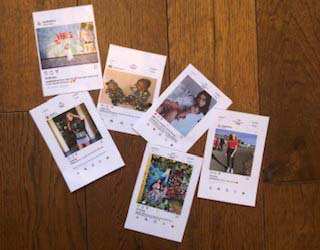
Focus group activity 4 - ‘Social media images’
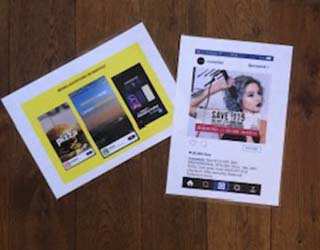
Focus group activity 5 – ‘Advertisements’
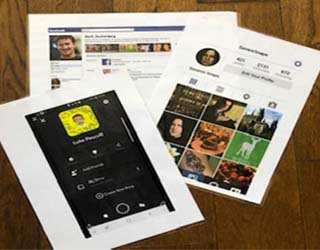
Focus group activity 6 – ‘Profiles’