Going green: University biology taster day takes teens back to nature
4 June, 2026
/prod01/channel_2/media/university-of-south-wales/site-assets/images/news/2026/06-june/news-june-margam7.jpg)
Young people from marginalised communities have been given the chance to get back to nature at a special event at Margam Park.
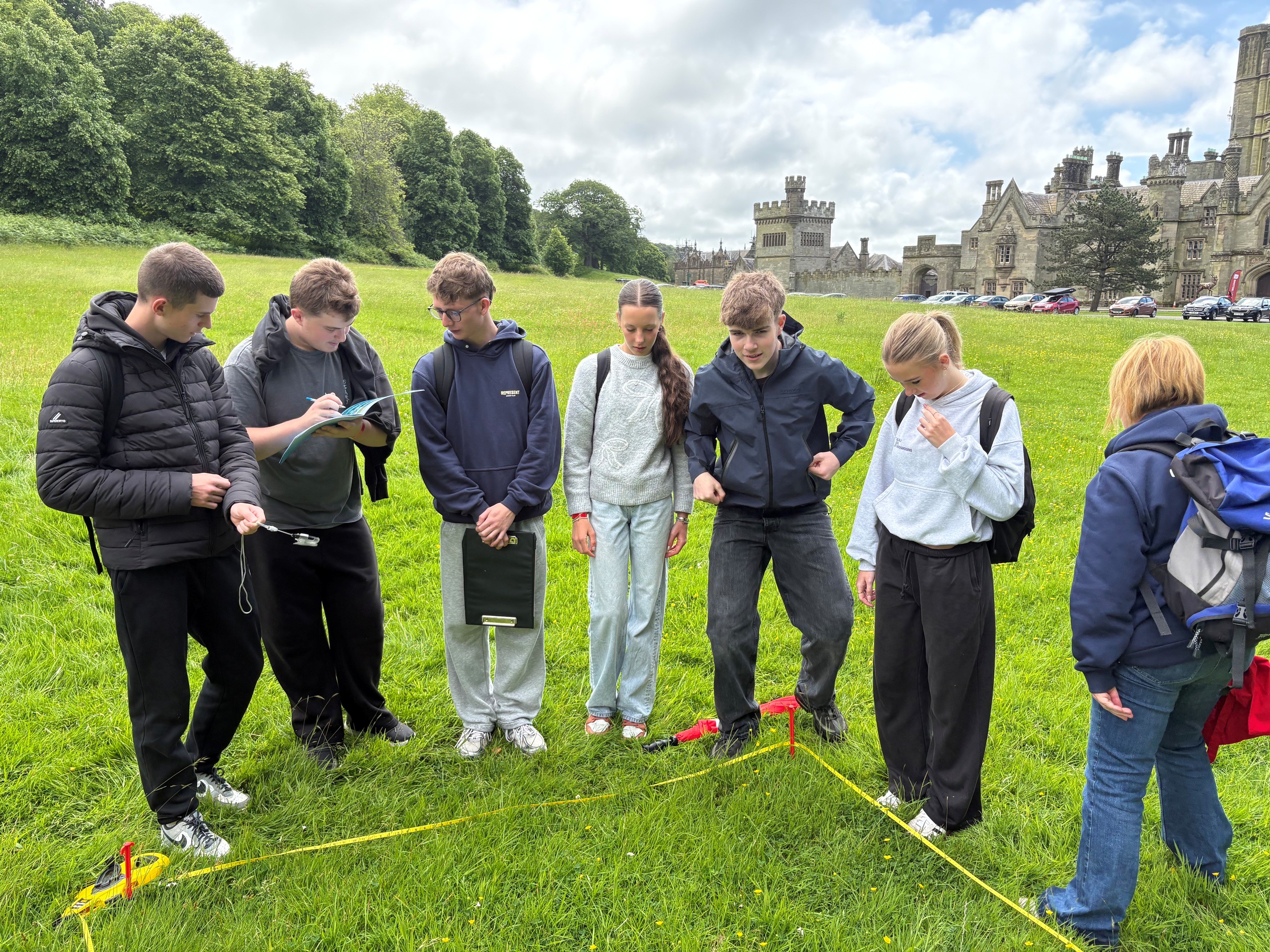
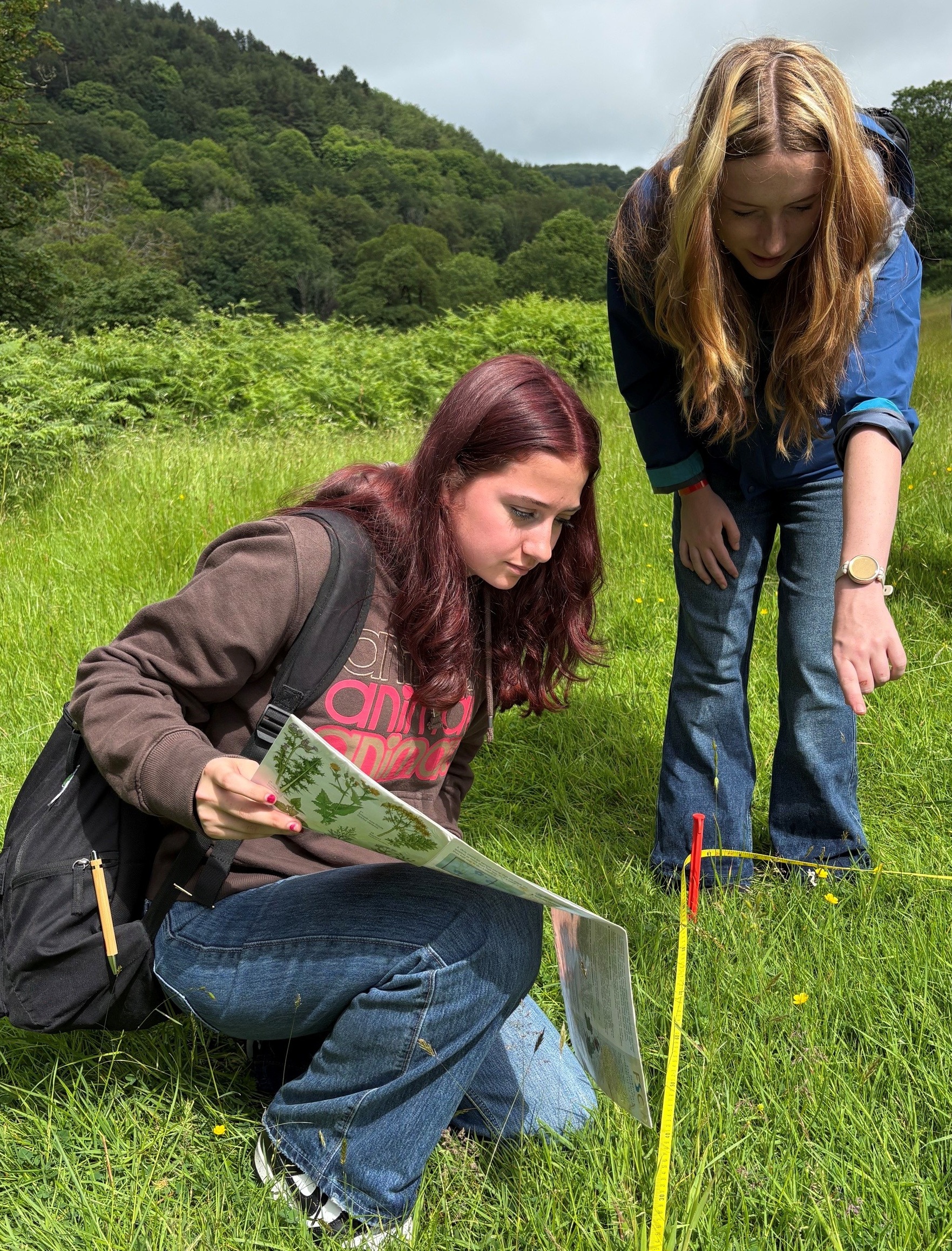
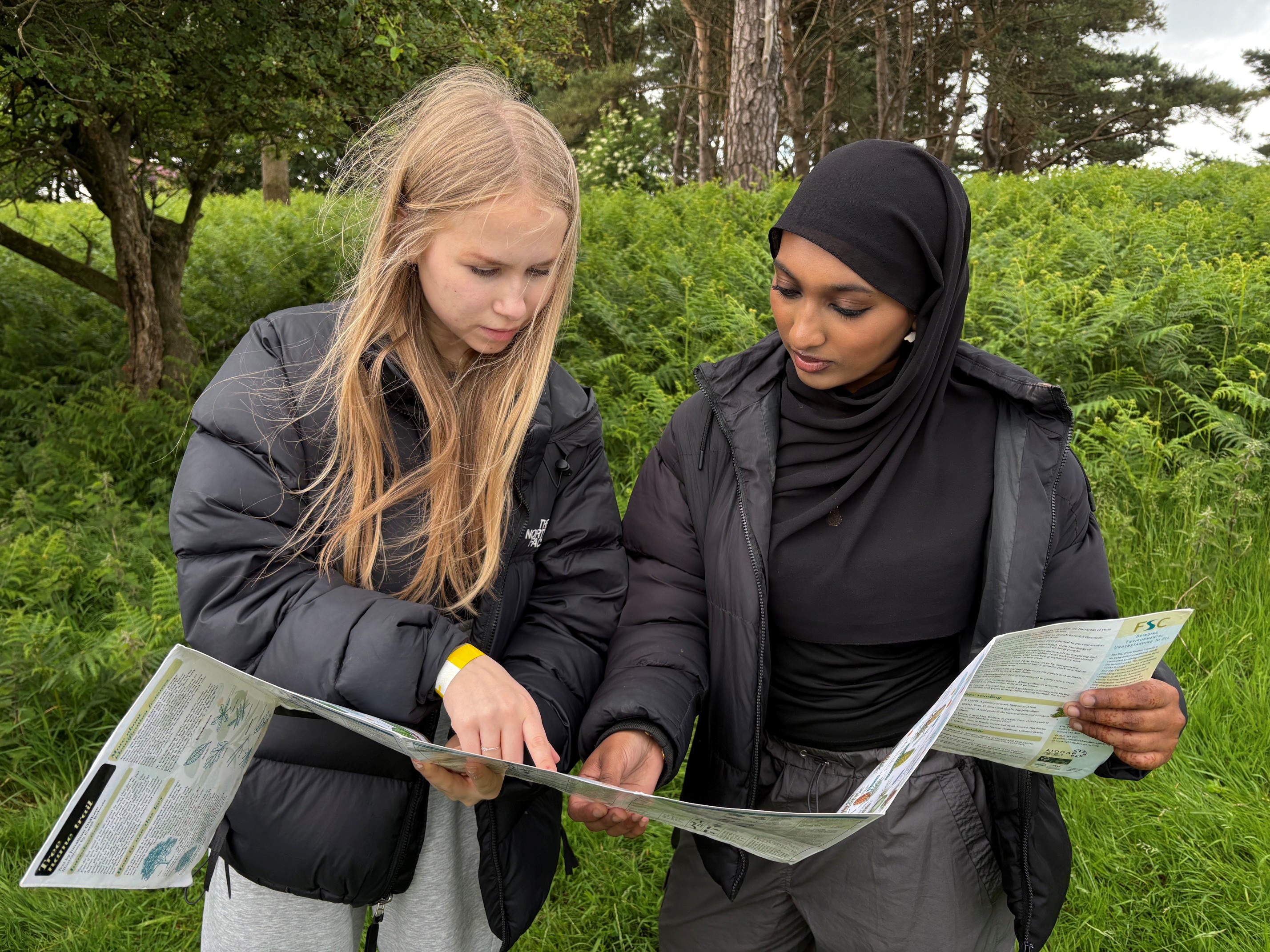
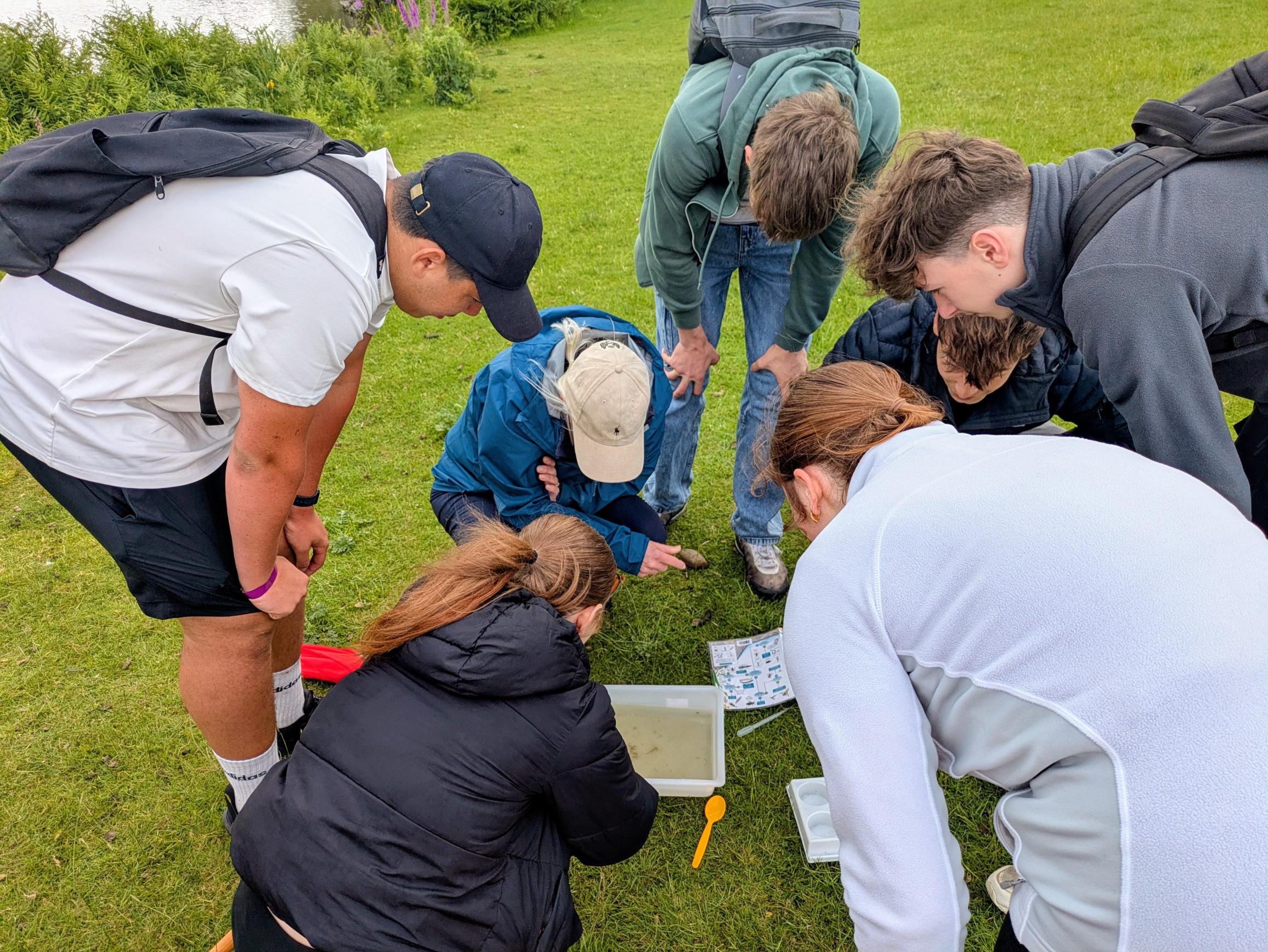
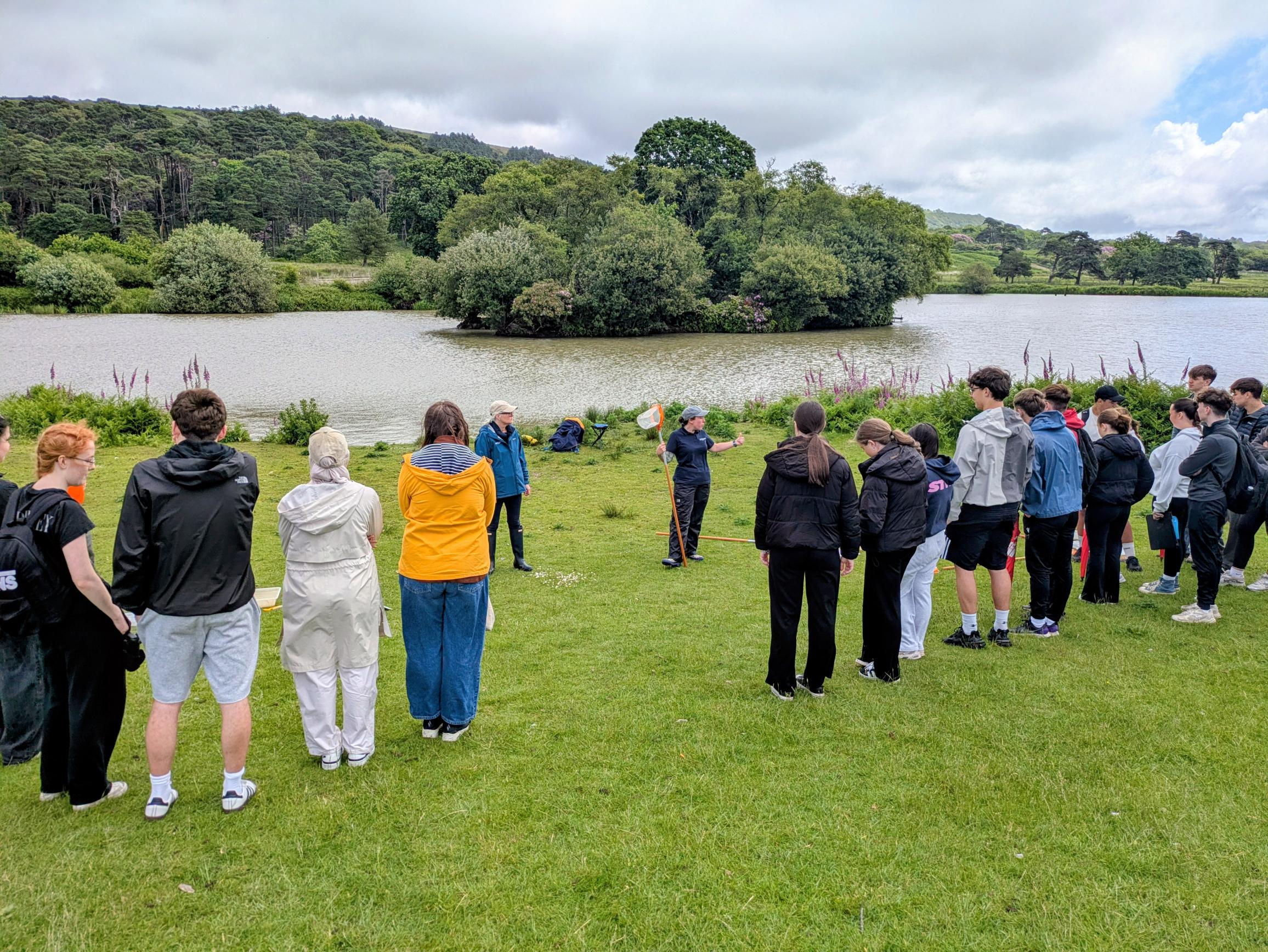
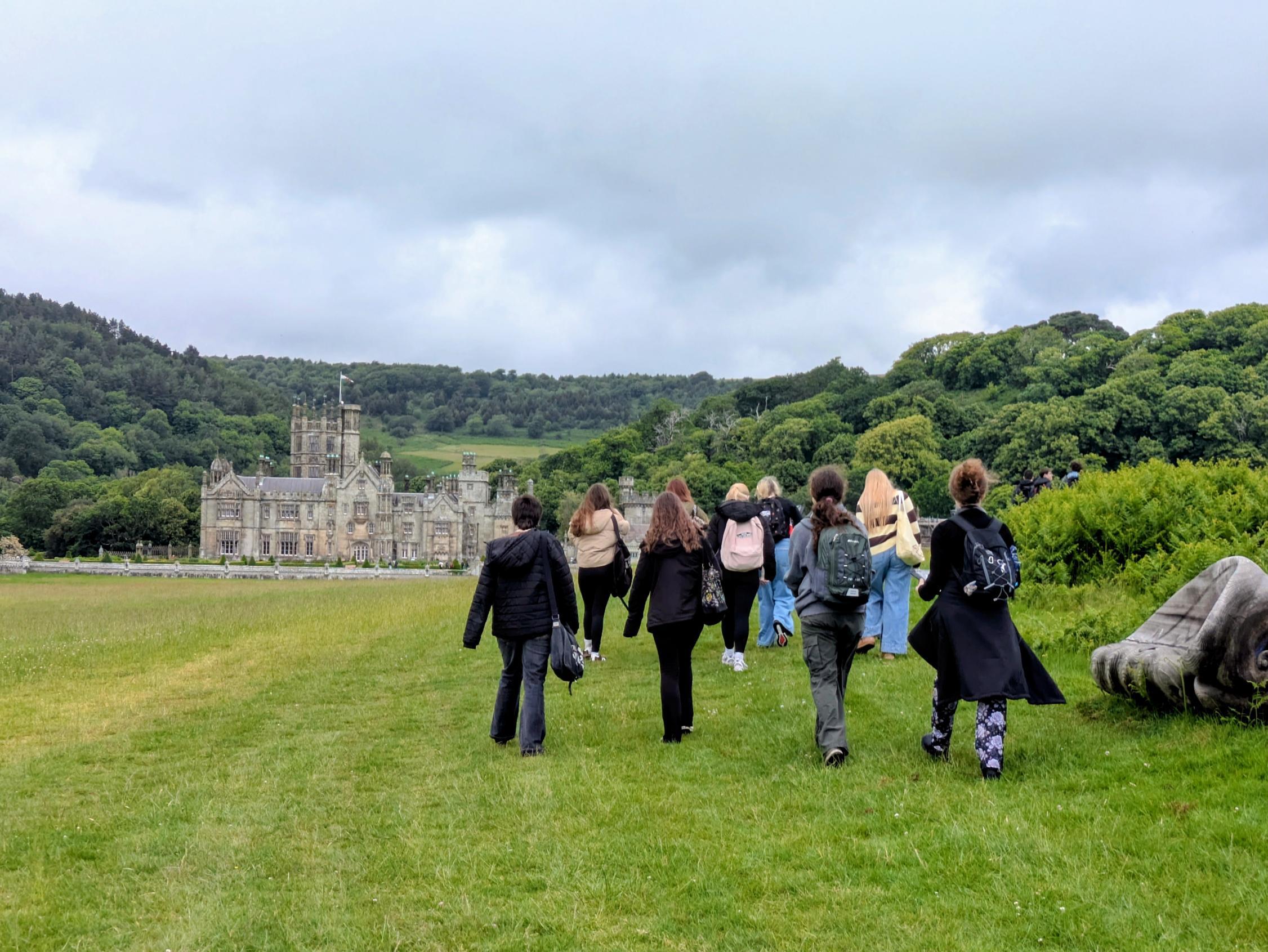
Organised by specialists from the University of South Wales (USW), ‘Biology in the Park’ brought together students aged 15 to 18 from schools and colleges from across South Wales for a hands-on day of environmental science.
The event has been developed in response to growing concern about a widening disconnect between young people and nature - an issue that is especially acute in communities facing social and economic challenges.
“We’ve seen a real shift over the past decade,” said Natalie Lubbock, Course Leader for Biology at USW.
“For many students, particularly in more marginalised communities, the environment feels distant or irrelevant when they’re dealing with more immediate pressures.
“This event is about changing that - making nature accessible, engaging and meaningful again.”
Throughout the day, the students from Cardiff, Neath Port Talbot, Merthyr Tydfil, and Pontypridd, took part in interactive activities including pond dipping, tree identification, biodiversity surveys, and pollinator studies, alongside indoor sessions on forensic science, environmental analysis, and pharmaceutical science.
The programme is designed to also showcase the diversity of careers and opportunities within environmental science while demonstrating the real-world importance of ecosystems.
The event also aimed to challenge the narrative that environmental issues are only framed in negative terms, Natalie said.
“Young people often hear about climate crisis and biodiversity loss in ways that feel overwhelming,” she said. “We want them to experience the environment as something positive - something they can enjoy and be part of protecting.”
She added that the initiative also aims to highlight the relationship between environmental awareness and social equity.
“Research and local engagement suggest that young people from less advantaged backgrounds are less likely to access green spaces or see environmental issues as priorities, despite being disproportionately affected by them,” she said.
“By bringing students directly into natural environments and giving them practical, hands-on experiences, organisers hope to build confidence, curiosity, and a lasting sense of connection.
“This is about more than science, It’s about giving young people the chance to experience nature first-hand and realise that it matters - to their health, their wellbeing, and their future.”
/prod01/channel_2/media/university-of-south-wales/site-assets/images/08-subjects/biological-sciences/subject-science-international-wildlife-biology-56931.jpg)
/prod01/channel_2/media/university-of-south-wales/site-assets/images/07-student-life/73-outside-shots/student-life-outside-shots-treforest-52725-992X667.jpg)
/prod01/channel_2/media/university-of-south-wales/site-assets/images/05-event-photography/51-open-days/event-open-day-treforest-50360-854X751.jpg)