How our students are helping design the interiors of University’s new multi-million-pound STEM facility
30 January, 2026
/prod01/channel_2/media/university-of-south-wales/site-assets/images/news/2026/01-january/news-january-dorivaldo.jpg)
Dorivaldo Butte, a graphic design student who has been able to get real-life experience designing interiors for a new multi-million-pound University STEM building, has said the project has given him a vital understanding of how the sector works, and helped prepare him for a career in the industry.
Working alongside other second year students on the Graphic Communication degree at the University of South Wales (USW), the 26-year-old has been involved in a three-month project to come up with interior graphics for the Calon building – a new STEM facility being built on USW’s Treforest Campus (pictured below).
/prod01/channel_2/media/university-of-south-wales/site-assets/images/news/2026/01-january/Calon.png)
Following an introduction to the building, a brief highlighting the needs of the interior graphics, and a visit to the site as Calon is being constructed, the students were able to present their ideas to a panel of University staff, including Sarah Down, their Lecturer in Graphic Communication, and Marié Nevin, who is an Interior Architect at Stride Treglown, which is leading on the interior design of Calon.
During a professional-style pitch at Stride Treglown’s Cardiff office, the students presented in four groups, highlighting how they had responded to the brief (examples below) and developed concepts for different aspects of the new building – including specialist areas for Built and Sustainable Environment, Digital Innovation, Engineering, Science, the building’s Innovation Hub, and its general visual identity.
They also produced ideas for storyboards which will be on show in Calon, Identity Walls, Acoustic Panels, and glass manifestation designs – which are markings or designs applied to glass surfaces to enhance visibility, prevent accidents, and comply with safety regulations.
For Dorivaldo, the experience has given him a detailed understanding of how graphic design is commissioned for major projects.
“I decided to do this course for one simple reason; I developed a big interest and passion for graphic design and wanted to learn more about it and open my horizons, and this project has really helped with that,” he said.
“It’s very useful, it teaches us how to deal with real-world problems and how to have a good approach to the problem to find a solution that suits it.
“It also teaches us that the human interaction it still very important in a world where people can get solutions for their problems in a matter of seconds with AI.
“And, last but not least, it gives us experience, that’s what we really need, so we can be prepared for the industry’s challenges.”
Lecturer Sarah Down added that the opportunity to get involved with the Calon project has been perfect for the students.
“The Calon project has been a fantastic opportunity for our students to engage with a live, real-world design brief, providing them with first-hand experience of professional design practice,” she said.
“Throughout the project, students worked closely with a range of stakeholders and took part in client touchpoint meetings, building their confidence in presenting and discussing their work beyond the studio.
“In industry, design teams look for more than creativity alone when hiring graduate designers; they also look for professionalism, the ability to meet deadlines, and the confidence to articulate and present ideas. The Calon project has enabled our students to develop personally and professionally across all of these areas.
“The opportunity for their designs to be installed across such an impressive building as Calon is an incredible achievement for students in only their second year of study and will form a highly impressive addition to their portfolios.”
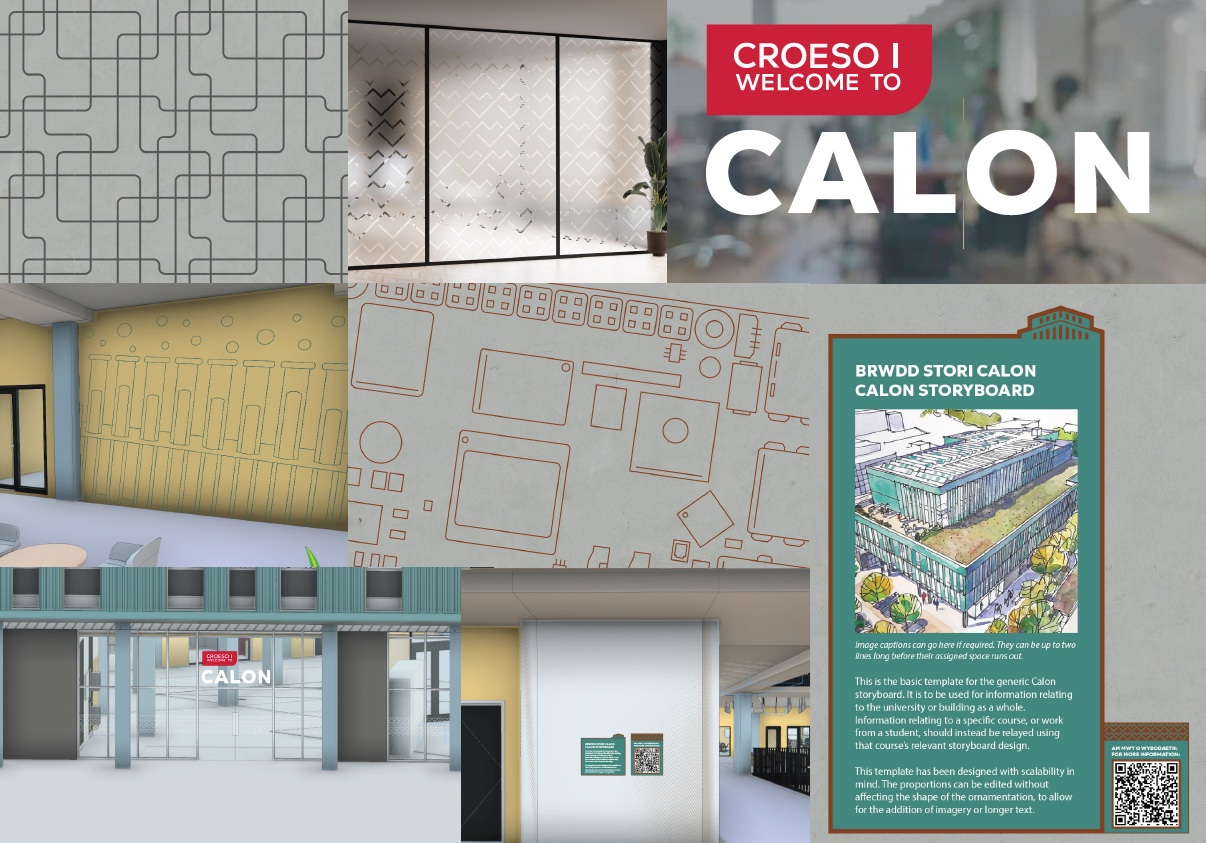
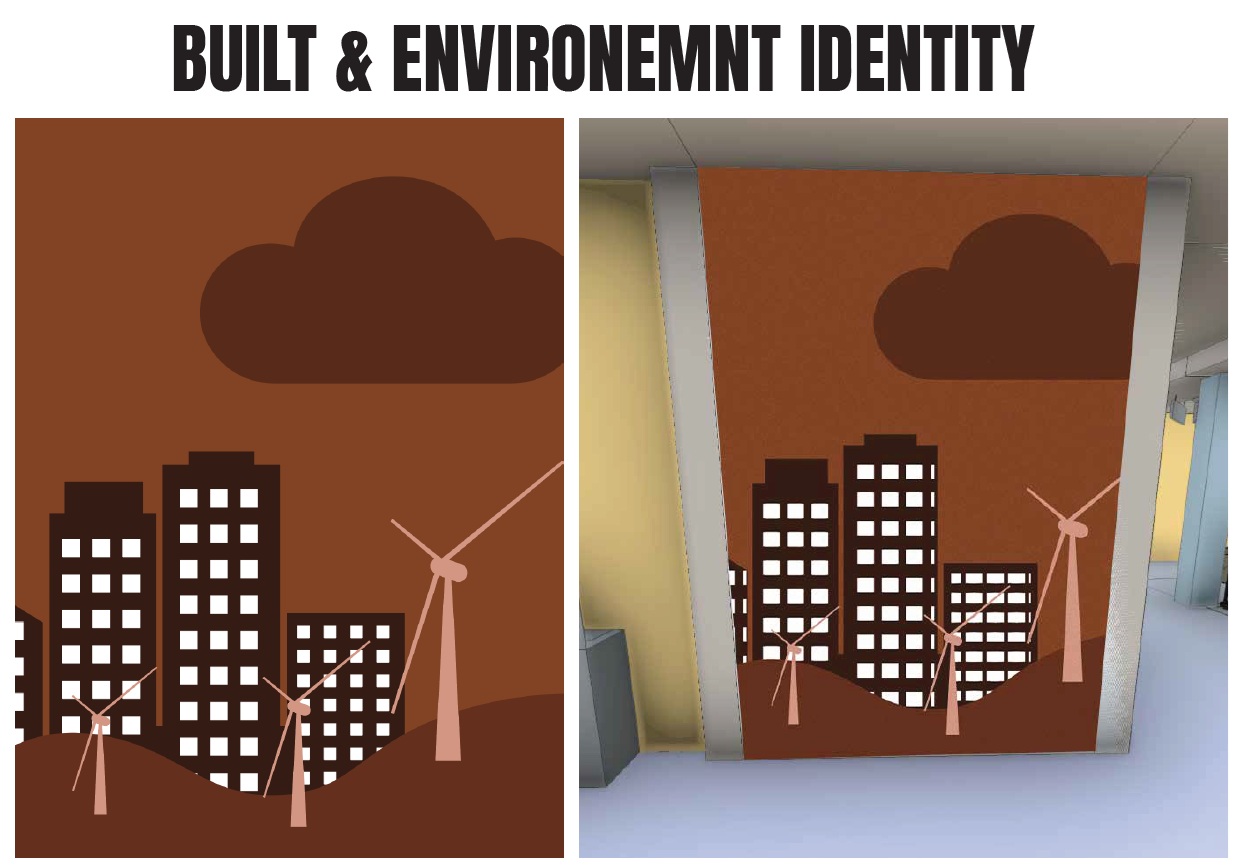
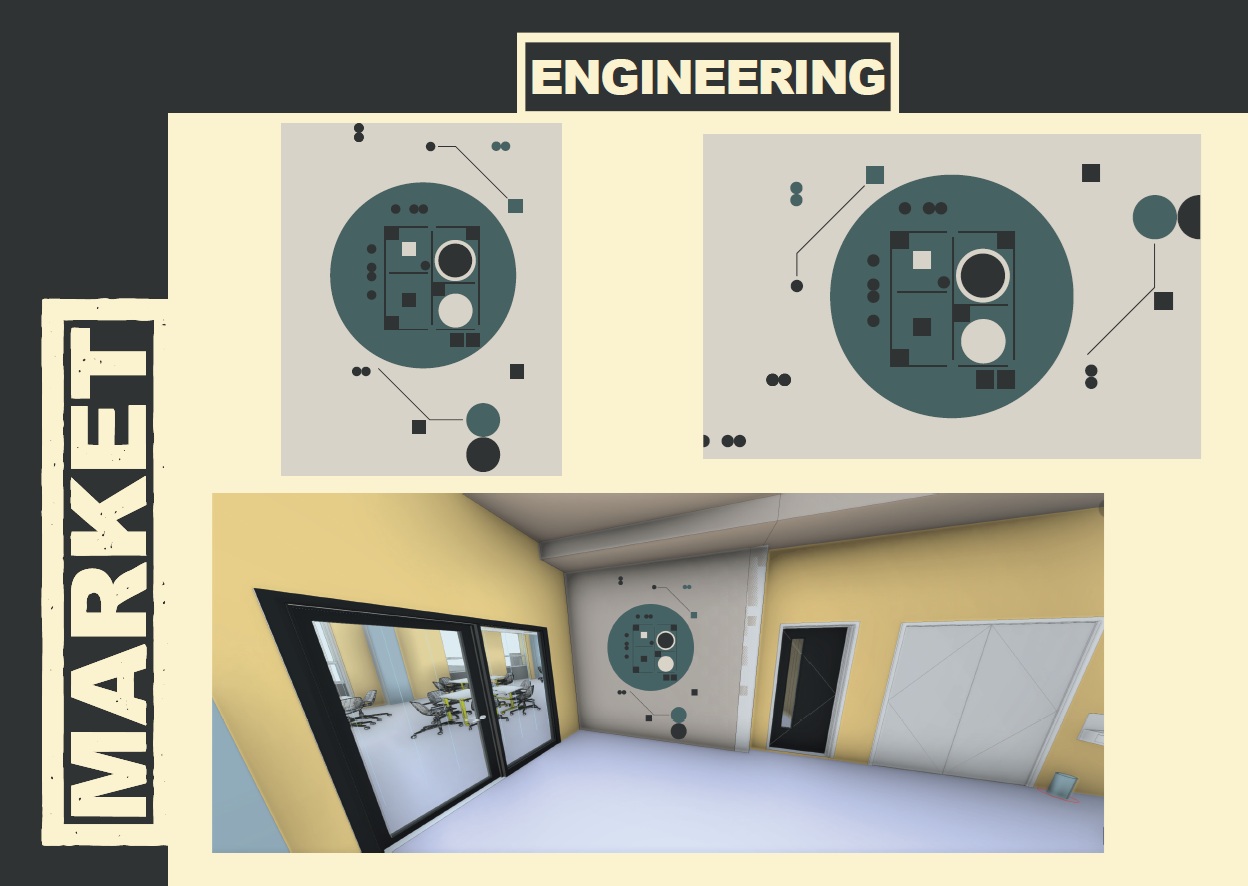

Marié Nevin said: “I thoroughly enjoyed the entire experience – from collaborating with the stakeholder team and course leaders to develop the student briefs, to supporting the students as they explored and refined their designs.
“It was inspiring to see them present such a diverse range of creative ideas, and I felt incredibly proud of the work they produced despite the complexity of the briefs.
“These projects provided students with a rare and invaluable opportunity to engage in a real-life design challenge, creating the potential for a lasting legacy while working directly with real clients and professionals.
“I believe this experience not only strengthened their collaborative skills but also gave them meaningful exposure to industry practices – knowledge that will undoubtedly benefit them in their future careers.
“I was particularly encouraged to see how they integrated inclusive design and sustainability principles into their proposals.
“These skills will serve them well as they advance in the profession and leave me optimistic about the positive impact they will have on the design industry.”
Miranda Thomas, who is USW’s Project Manager for Calon, said that the project gave more students a taste of real-world projects related to the building, after Interior Design students were last year given a chance to design an exhibition space in Calon.
“It was great to see the final concepts from the students, and how they had reflected the brief with their designs,” Miranda said.
“The Calon development has given so many different students at USW a chance to test their skills in real-world scenarios, and there is no better way to learn about future careers than being immersed in these projects.
“As the University develops its specialist challenge-based curriculum for the next generation of students, we will see more of them being presented with similar challenges, working more closely on industry projects and with businesses operating in their chosen fields, so we produce more graduates who are ready to thrive.”
/prod01/channel_2/media/university-of-south-wales/site-assets/images/08-subjects/design/subject-graphic-communication-37773.jpg)
/prod01/channel_2/media/university-of-south-wales/site-assets/images/07-student-life/73-outside-shots/student-life-outside-shots-treforest-52725-992X667.jpg)
/prod01/channel_2/media/university-of-south-wales/site-assets/images/05-event-photography/51-open-days/event-open-day-treforest-50360-854X751.jpg)