Co-designed with all Stakeholders
From the outset, this principle requires USW 2030 curricula to be co-designed with all stakeholders, in both design and delivery.
/prod01/channel_2/media/university-of-south-wales/site-assets/images/00-miscellaneous/cdp-co-design-masthead-icon-img.png)
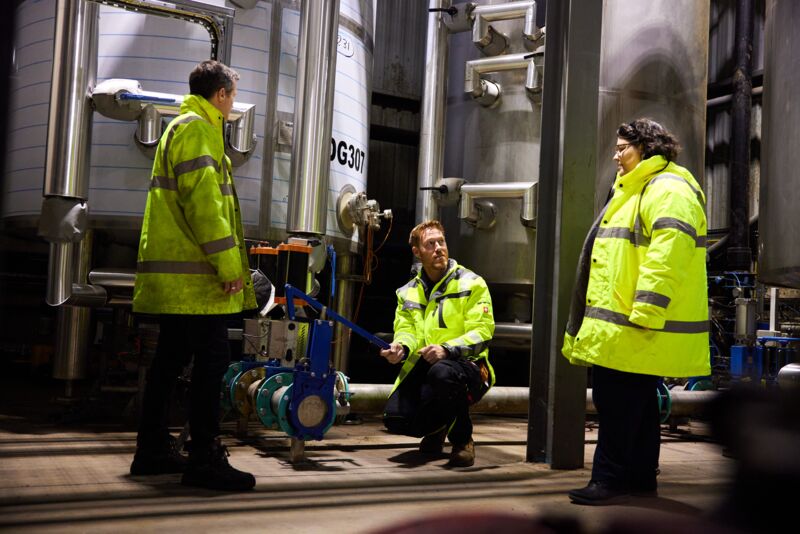
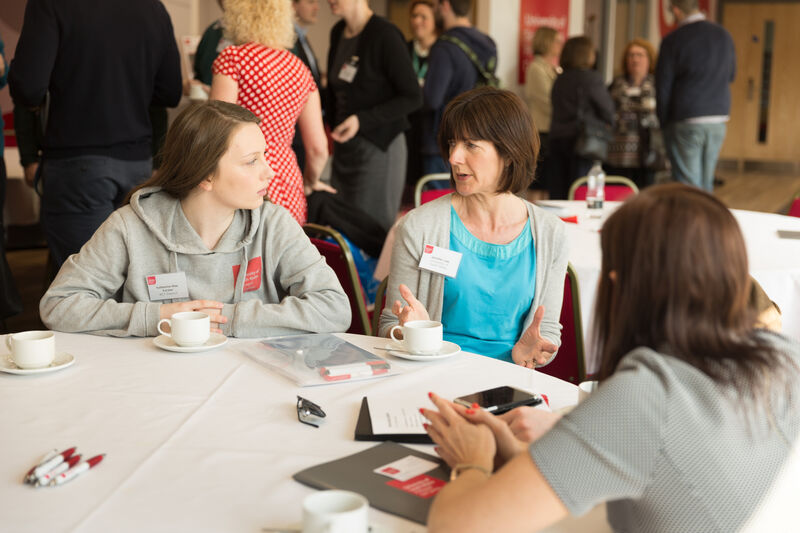
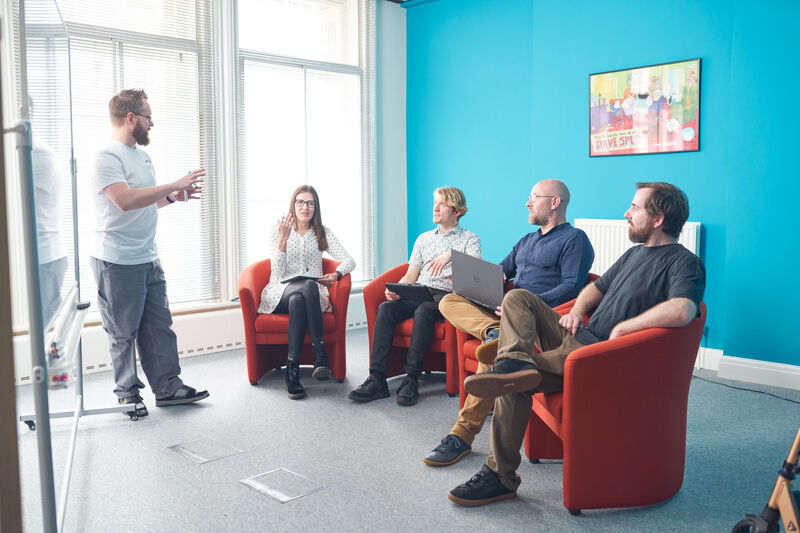
Through enactment of this principle, academic experts facilitate the co-design of the curriculum with all stakeholders including:
- students;
- communities;
- USW researchers;
- USW professional services;
- employers;
- alumni;
- Professional, Statutory and Regulatory Bodies (PSRBs); and
- internal and external specialists.
This establishes a curriculum and authentic assessment structure that is contemporary, future-fit, relevant to and respected by, current and future students, the community, and employers.
The curriculum will provide scaffolded opportunities for interdisciplinary learning and enable learners to develop skills in risk-taking, by challenging dominant ways of thinking and work to make a positive impact in employment and communities.
In embedding this principle, USW course teams reflect on questions such as:
- How does the course enable students to actively input into the curriculum?
- What mechanisms are in place to draw on the expertise of a wide range of appropriate stakeholders to ensure that the curriculum is contemporary and future-fit?


Where this principle is fully embedded, these reflections will evidence a curriculum:
- Which has been co-designed with a variety of stakeholders (existing and new) including experts in the field, industry/employment partners, students, appropriate communities and alumni.
- Where stakeholder involvement ensures that the educational experiences are contemporary, future-fit, authentic, contribute to the discipline and develop interdisciplinary understanding.
- Where academics are confident that students feel part of the academic community at USW.
Watch this video to find out more (6m 8s) NB: The videos below were recorded in 2021. Since when, the participants have since moved into different roles at USW.
/prod01/channel_2/media/university-of-south-wales/site-assets/images/13-video-thumbnails/thumbnail-celt-cdp-co-design.jpg)
For further reading, literature informing our thinking around challenge-based learning includes, but is not limited to:
Bovill, C. (2013) Students and Staff Co-creating Curricula: an Example of Good Practice in Higher Education? In: Dunne, E. and Owen, D. (eds.) The Student Engagement Handbook: Practice in Higher Education. pp. 461-476. Bingley: Emerald
Bravenboer, D., 2016. Why Co-design and Delivery is “a no brainer” for Higher and Degree Apprenticeship Policy. Higher Education, Skills and Work-Based Learning, 6(4), pp.384-400.



Co-design



Inclusivity

Research-led

Sustainability