Enables digital fluency within the academic discipline
The USW 2030 curriculum enables digital fluency in discipline-specific technologies and holistic digital and information fluency and literacies to enable learners to act as safe, interculturally aware global citizens.
/prod01/channel_2/media/university-of-south-wales/site-assets/images/00-miscellaneous/cdp-digital-masthead-icon-img.png)
Digital fluency equips learners with digital skills and literacies to aid their personal and professional practices. The curriculum will enable learners to make ethical and critically informed judgements about information and digital technology selection and usage and adapt to the ever-changing technological environment.
In embedding this principle, USW course teams reflect on questions such as:
- How is digital literacy scaffolded within the course, both in terms of enabling learning and current discipline requirements?
- What opportunities do learners have to engage with digital technologies within their discipline and develop digital fluency to meet everchanging societal and workplace demands?
- What opportunities do learners have to develop holistic digital and information literacy to enable them to act as safe, interculturally aware citizens?

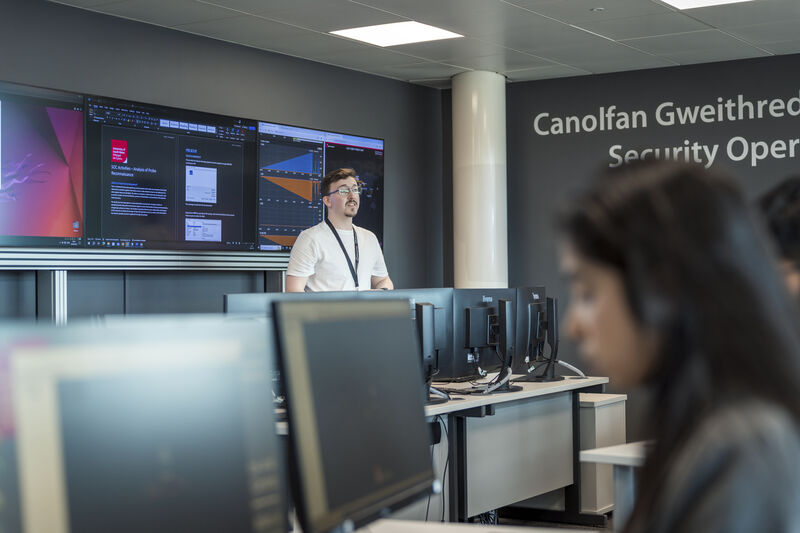


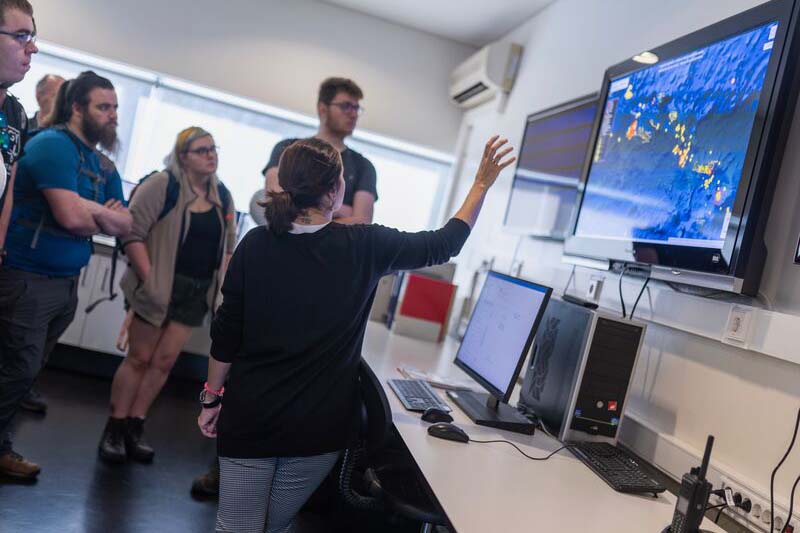
Where this principle is fully embedded, these reflections will evidence a curriculum:
- Which is future facing, engaging with industry to ensure that the curriculum enables learners to become digitally fluent with the technologies used both within their discipline and within wider industry/ service/ employment/ community.
- Where digital and information literacies are scaffolded to promote networking and enable learners to make ethical and critically informed judgements about information and digital technology selection and usage, while adapting to the ever-changing technological environment.
- Where the course assessment portfolio reflects the changing demands of the discipline, the workplace and society to provide authentic digital learning, and digital and information literacy practice skills, some of which are at the forefront of the discipline.
Watch this video to find out more (5m) NB: The videos below were recorded in 2021. Since when, the participants have since moved into different roles at USW.
/prod01/channel_2/media/university-of-south-wales/site-assets/images/13-video-thumbnails/thumbnail-celt-cdp-digital.jpg)
A Short Guide, with a Checklist
To help you implement the 'Enables Digital Fluency within the Academic Discipline' USW Curriculum Design Principle, we have produced a short guide providing you with its role in curriculum design and assessment; the USW context which applies to it; information about literature supporting this principle; links to further reading; and a checklist to help you identify how well the principle is embedded in your modules.
Download our guide to 'Enables Digital Fluency within the Academic Discipline'A Short Guide, with a Checklist (for AI Digital Fluency)
To help you implement the 'Enables Digital Fluency within the Academic Discipline' USW Curriculum Design Principle when using Artificial Intelligence (AI) in your curricula and assessment, we have produced a short guide providing you with its role in curriculum design and assessment using AI; the USW context which applies to it; information about literature supporting this principle; links to further reading; and a checklist to help you identify how well the principle is embedded in your modules when using AI.
Download our guide to 'Digital Fluency: AI in Curriculum and Assessment'For further reading, literature informing our thinking around digital fluency includes, but is not limited to:
Want to know more about our Curriculum Design Principles? Select an icon below to find out more:



Co-design


Inclusivity

Research-led

Sustainability