Media Production
Develop industry-ready media production skills and create compelling content across screen, audio and digital media in Cardiff’s creative hub.
How to apply Apply through UCAS Book an Open Day Chat to us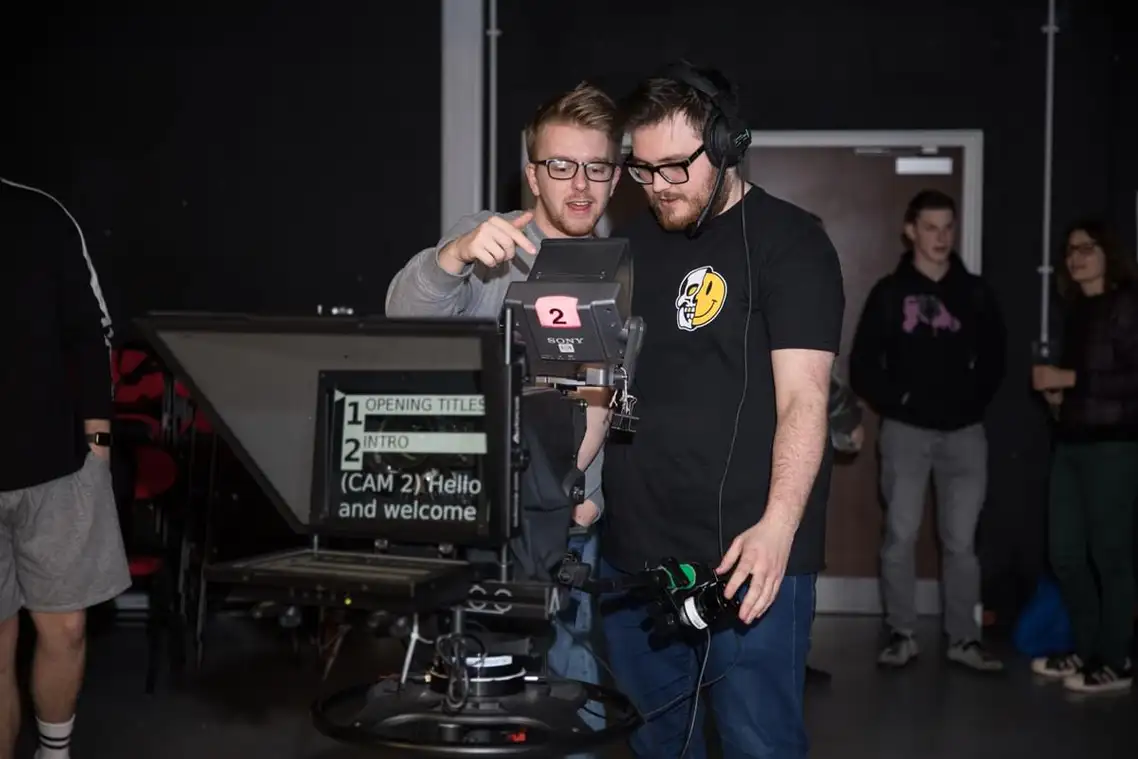
UCAS Code
P301
Start Date
September 2027
Location
Cardiff
Campus Code
B
UCAS Points
96
International students: £17,600*
Course Overview
In the heart of Cardiff, one of the UK’s media hotspots, you’ll find your place in the vast and varied media industry.
Why study this course?
What you'll study
You’ll get a thorough grounding in all the technical skills, concept and script development, and critical thinking you’ll need later.
We also help you identify and develop your interests and strengths so that you can carve out your own niche and make a real impact.
Learn how to tell stories through visual and aural material, and get to grips with high end video cameras, sound recording, lighting equipment and professional practice.
Explore ideas, originality and innovation within the design process, balancing problem-solving and creativity, creative expression and audience reception.
Understand how sound is used in fictional, factual and entertainment formats across media platforms, using a range of audio equipment.
Explore social and web-based technologies and how they reach out to appropriate audiences, using Adobe and other software to design an interactive narrative.
Engage with current debates around media, understanding its place in modern society and deepening your understanding of how stories are constructed to engage audiences.
Now that you have a better idea of who you are as a media professional, you’ll get the chance to work in production teams across a range of platforms.
You will apply and develop your preferred skills in meaningful ways and tackling real creative challenges.
Explore your creative identity and expand your skills as you craft original ideas and scripts for contemporary formats and platforms in a writer’s workshop context.
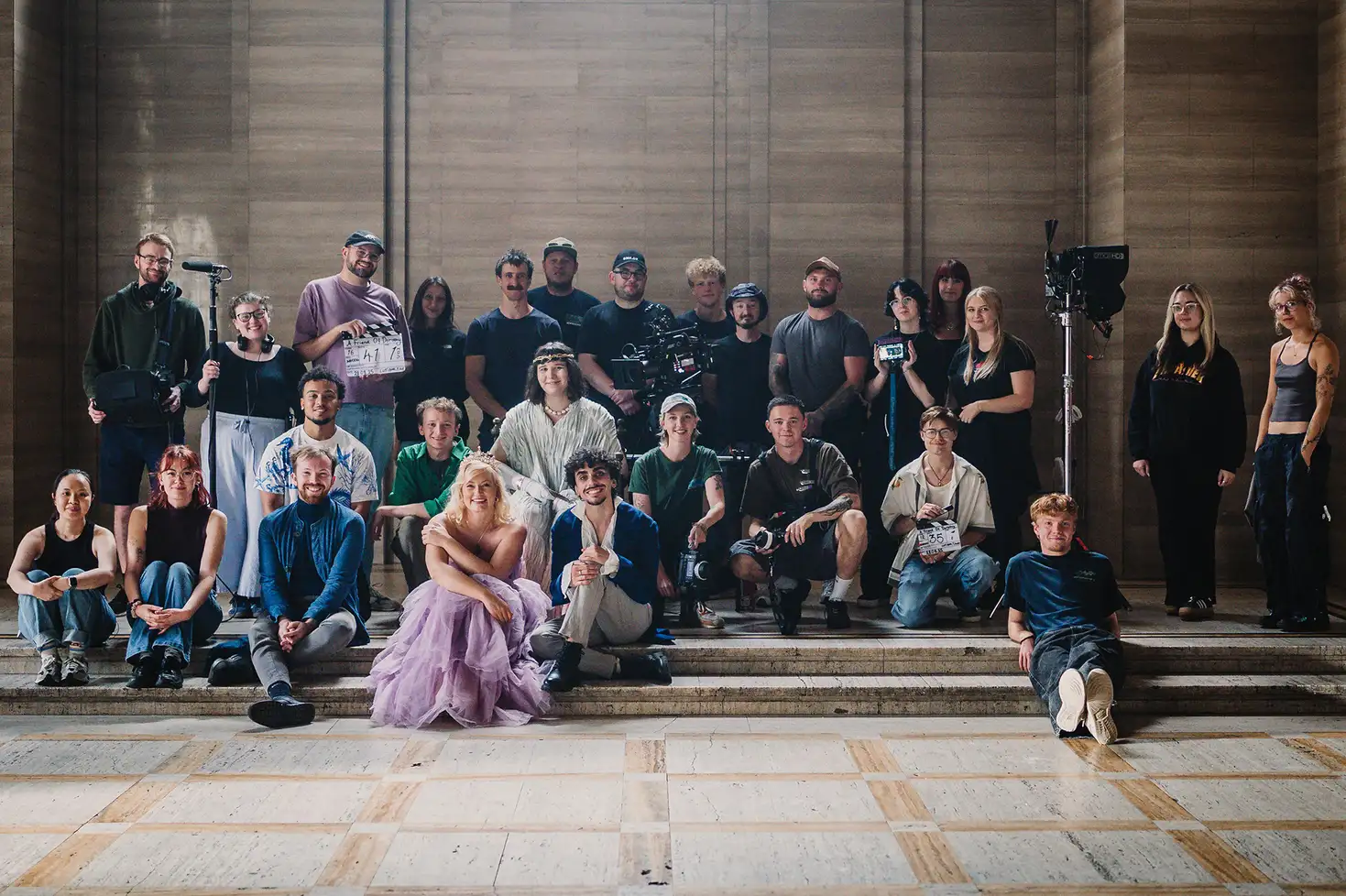
Working in teams with dedicated roles, you’ll deliver a creative output to professional standards, developing your skills, experience and practice.
Take your visual creativity to the next level as you explore documentary and drama styles and refine your visual composition, camera work, lighting, and editing skills.
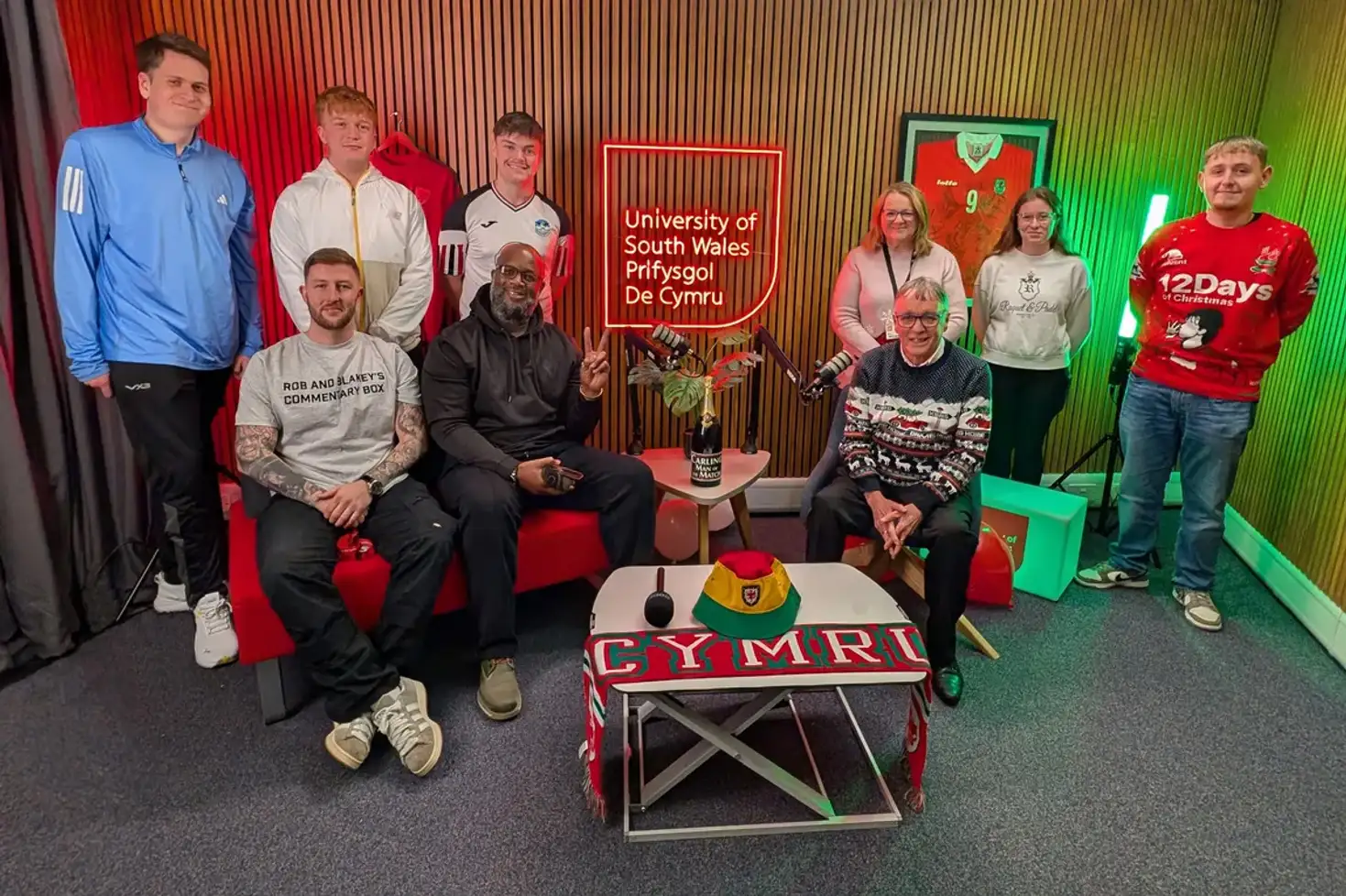
Explore how sound contributes to storytelling across different media as you work with external clients to create podcasts and audio dramas.
Showcase everything you’ve learned as you collaborate with music and other courses to create and promote the Immersed Festival, working on digital media and live recording.
Discussions and seminars on the current media landscape, looking at trends, technological advances and important issues that dominate the way we consume content.
The final year is all about demonstrating your confidence, creativity and readiness to add value to media productions.
You will initiate and carry out major production projects that show off your capabilities and build a body of work that helps you secure the career you want.
Discover what it takes to make media projects happen as you manage pre-production and development, including generating pitches, proof of concepts and finding crew.
Showcase your skills as an industry-ready professional as you create a major body of work within your chosen specialism.
An in-depth exploration of a key contemporary issue linked to your practice and area of interest, which can be theoretical or practical.
Consolidate your future in media by engaging with industry pros, building your portfolio, and learning how to navigate the business world and promote yourself.
We regularly review our courses to keep pace with changing skills and employer needs. If a review leads to significant changes, we’ll contact you to explain what’s changing for the coming year.
Teaching and assessment
We start by giving you the foundational skills and concepts, and helping you discover your strengths and interests. We then support you as you work on real-world projects, and finally prepare you to establish a fulfilling career in the media world.
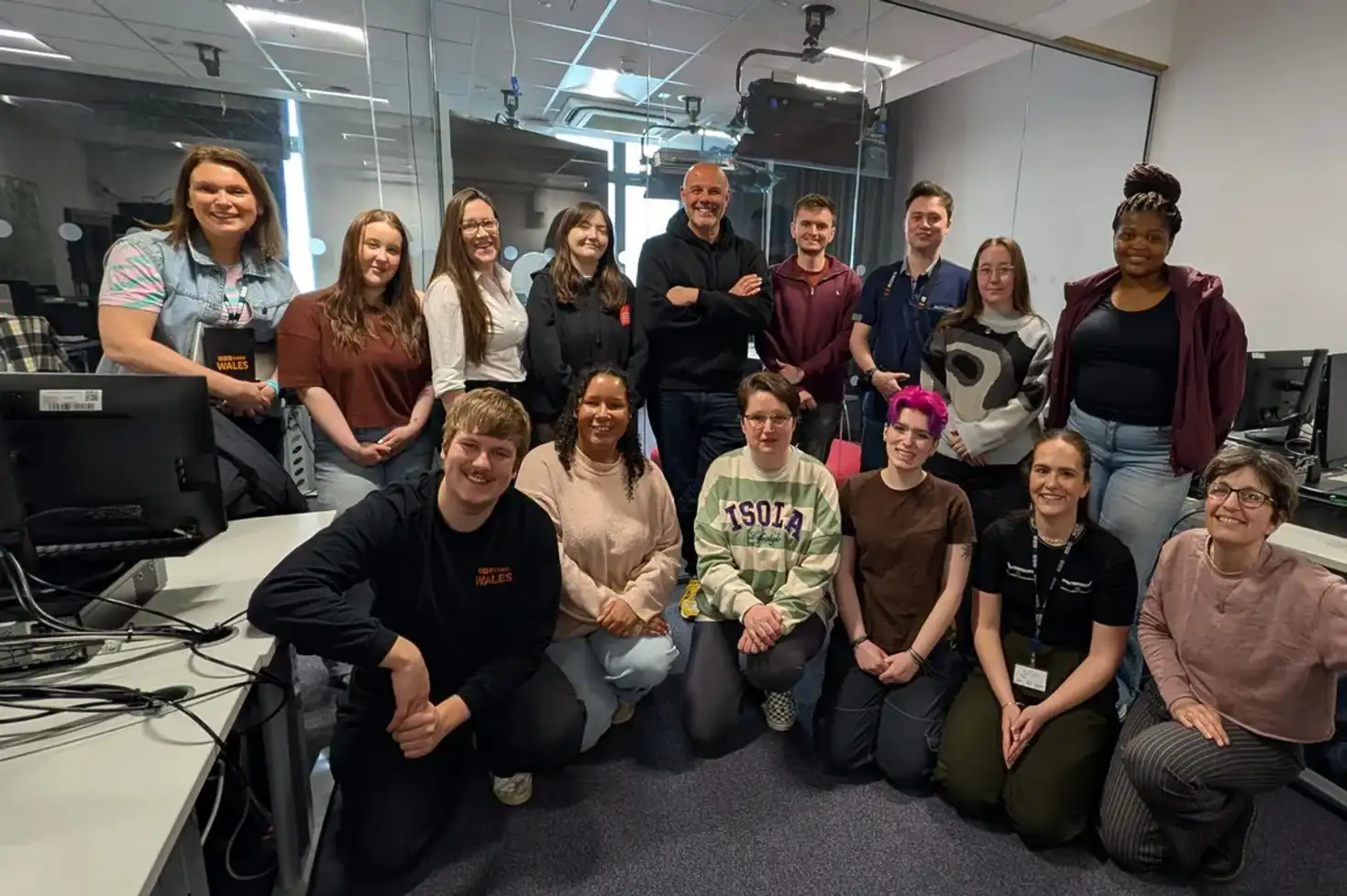
You’ll learn through doing, creating and collaborating. Using professional studios, production spaces and industry-standard equipment, you’ll work on real-world projects, develop your creative voice and gain the practical experience needed to thrive in the media and creative industries.
Rather than relying on traditional exams, you’ll be assessed through industry-focused projects that reflect the realities of working in the media sector. From creating content and pitching ideas to developing portfolios and conducting research, your assessments will help you build practical skills and professional confidence throughout your studies.
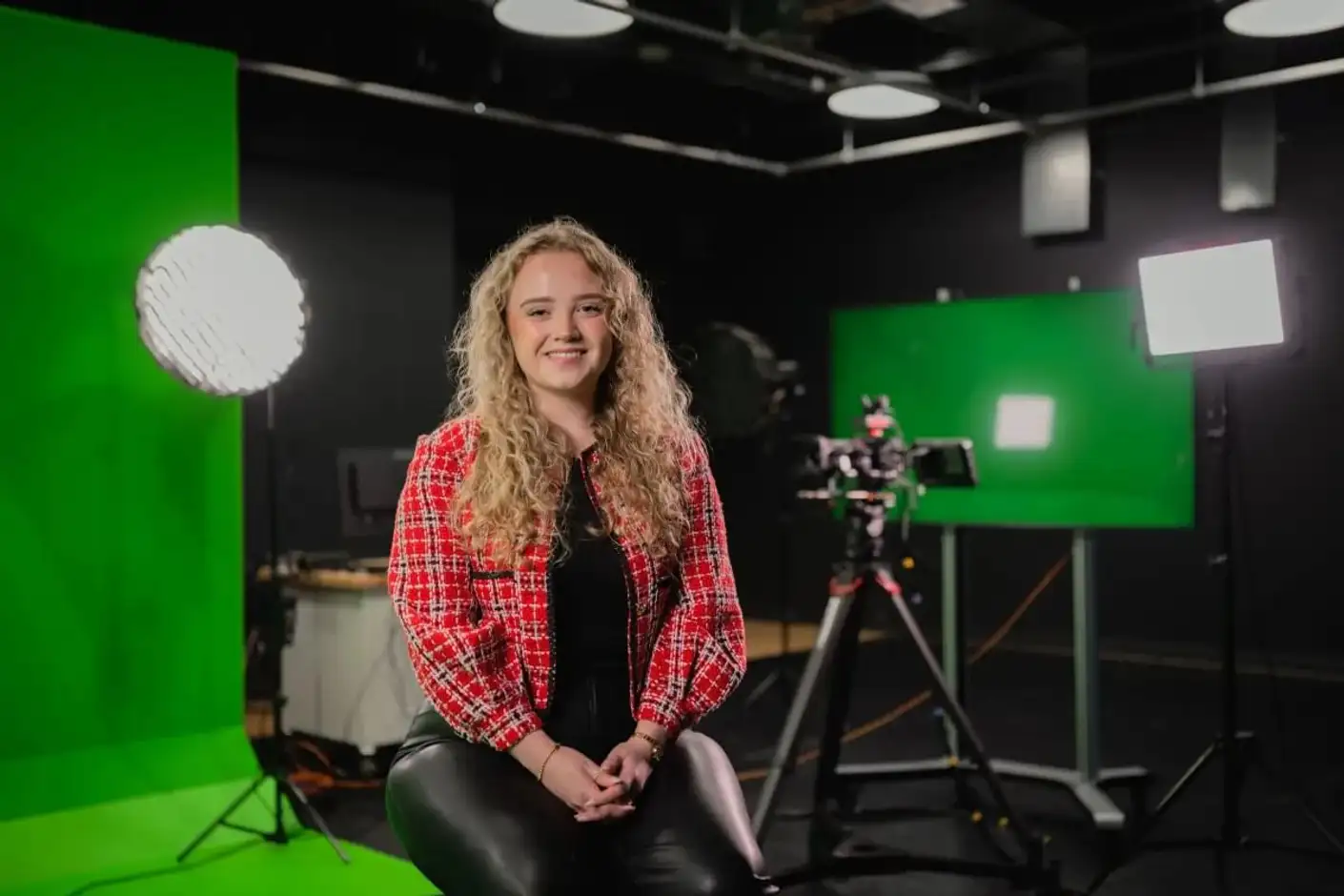
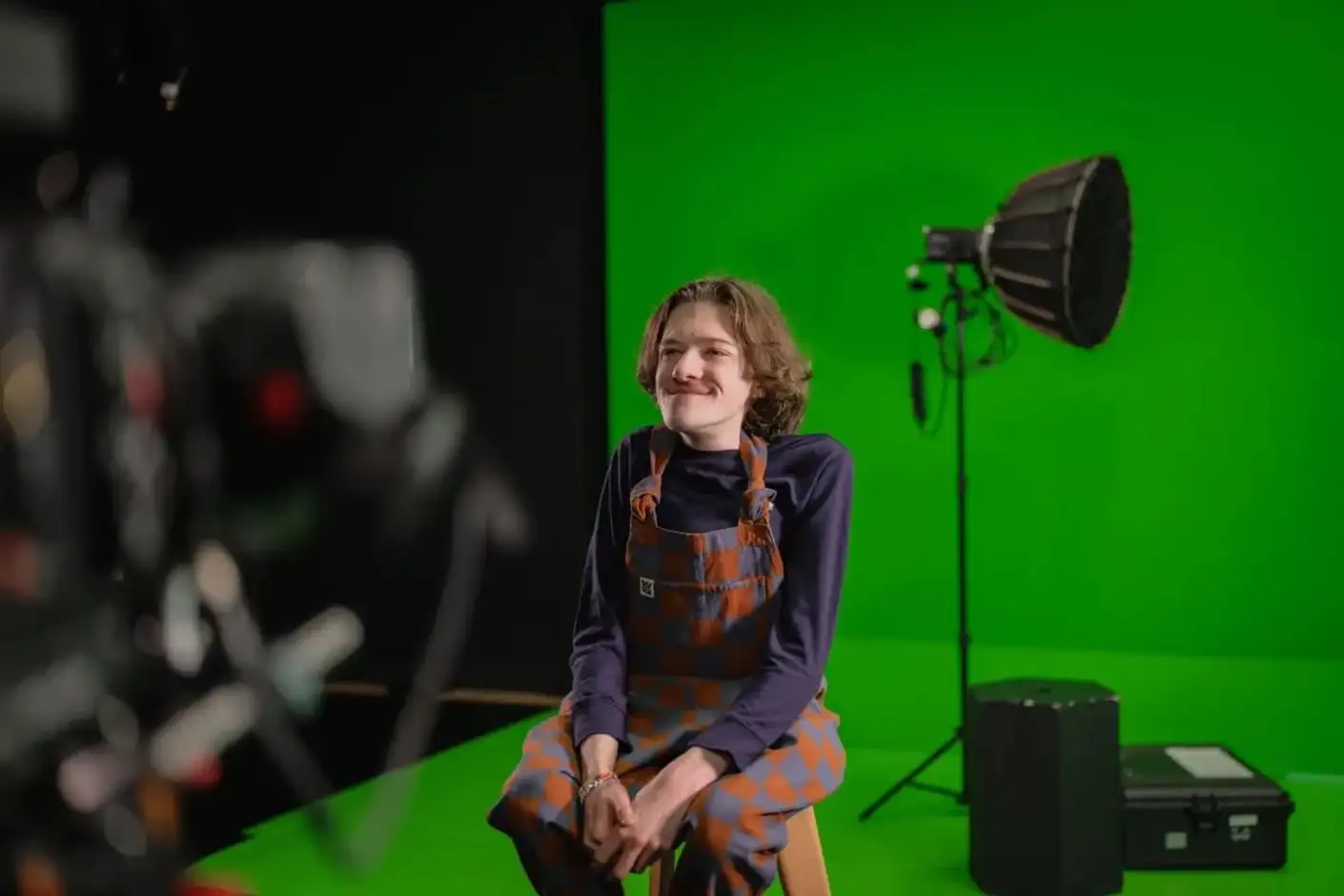
You’ll learn in the same types of environments used across the media industry, from our multi-camera TV studio and virtual production space to dedicated radio, podcasting and editing suites. You can book facilities outside of taught sessions to develop your own projects, and borrow professional cameras, lighting and audio equipment through our Media Loans service.
Our strong relationships with the industry mean you’ll benefit from real-world media opportunities throughout the course. You’ll regularly work on live briefs set by industry professionals, giving you plenty of opportunities to experience real-world action. You could also have the chance to work on live camera coverage for the Green Man, Hay Festival and our very own Immersed Festival.
Course Leader
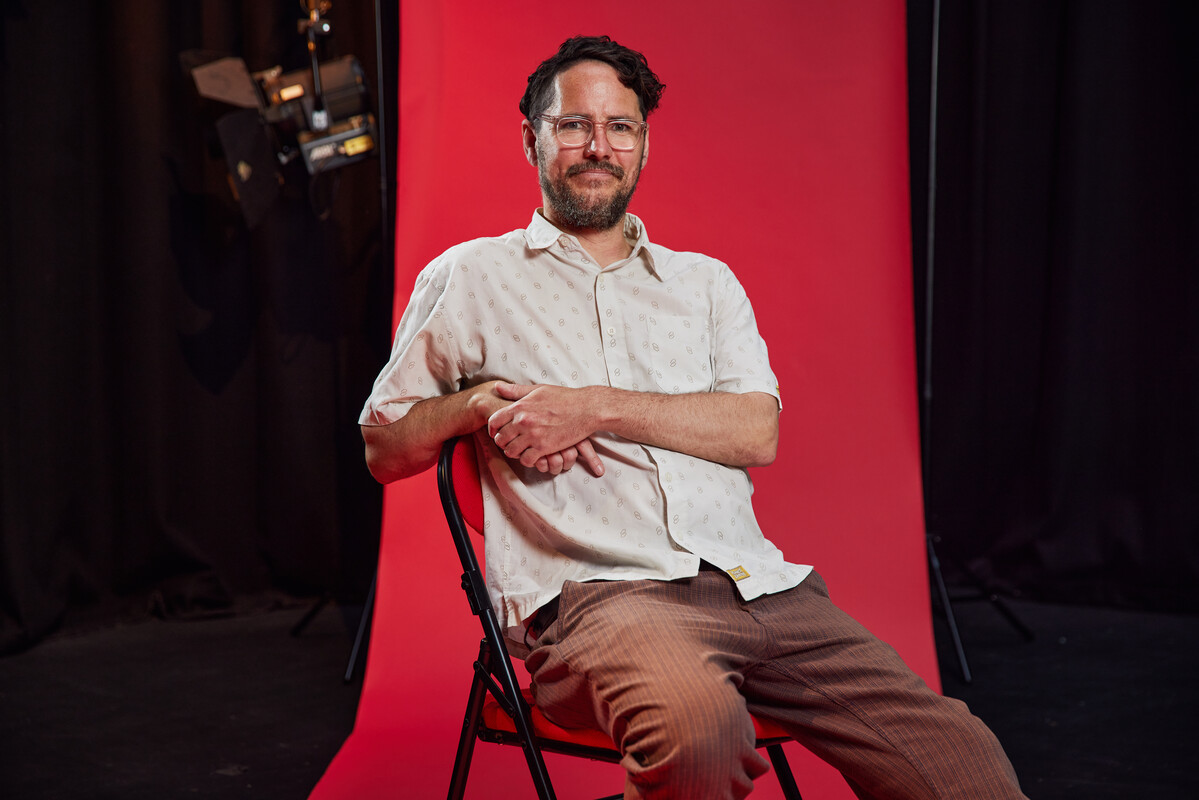
Paul Appleby
Paul Appleby is Course Leader for BA (Hons) Media Production. His original specialism and training is in photography but throughout his career, he has pivoted and taken on many roles that has led him to become a generalist of the media industry. He has worked as a photographer, media coordinator, social media consultant, producer and script writer. His focus is on storytelling and how we interpret and process those stories to generate meaning. He has been teaching for over 15 years, and he is focused on creativity, fun, and generating a positive environment where students can connect with their peers and thrive in dynamic situations.

“Media Production at USW is full of many different opportunities so take on as many as you can as you never know where it may lead. I chose USW because it was welcoming, gave me the chance to play and make mistakes.”
Tom Dix, Media Production graduate
Entry requirements
Additional requirements include:
The University normally requires a minimum 5 GCSEs including Mathematics/Numeracy and English at Grade C or Grade 4 or above, or their equivalent, but consideration is given to individual circumstances.
Contextual offers
We may make you a lower offer based on a range of factors, including your background (where you live and the school or college that you attended, for example), your experiences and individual circumstances (as a care leaver, for example). This is referred to as a contextual offer, and we receive data from UCAS to support us in making these decisions.
USW prides itself on its student experience and we support our students to achieve their goals and become a successful graduate. This approach helps us to support students who have the potential to succeed and who may have faced barriers that make it more difficult to access university.
How to applyContextual admissions policyAsk us a question96 UCAS points or above
Typical qualification requirements
A Level:
CCC to include a relevant subject
Welsh BACC:
Pass the Advanced Welsh Baccalaureate Diploma with C in the Skills Challenge Certificate and CC at A Level with a relevant subject
BTEC:
Merit Merit Merit in a relevant subject
Access to HE:
Pass the Access to HE Diploma with a minimum of 96 UCAS tariff points.
T Level:
Pass (C and above)
International applications welcomed:
We welcome international applications with equivalent qualifications of our entry requirements. For more details related to your country of residence, please view our dedicated country pages.
International studentsPre-Sessional EnglishEnglish language requirements
International applicants will need to have achieved an overall of IELTS 6.0 with a minimum of 5.5 in each component/TOEFL 4 overall and a minimum of 4 in each component or equivalent.
Equivalents can be located on our English Language pages.
If you have previously studied through the medium of English, IELTS might not be required, please visit our country specific page for further details. If your country is not featured, please contact us.
If you do not meet the English entry criteria, please visit our Pre-Sessional course pages.
Fees and Funding
Studying at university is one of the most significant investments you'll ever make. Whilst you’re studying, you’ll have two main financial obligations – tuition fees and living costs. There’s lots of financial help available from the University of South Wales and external funding sources, that may provide loans (which have to be paid back) and grants, scholarships and bursaries (that don't).
*Full-time fees are per year. Part-time fees are per 20 credits. Once enrolled, the fee is anticipated to remain at the same rate throughout the duration of your study on this course except as described below.
Please be aware that we may increase the maximum fee for home students on full-time undergraduate courses only where the Welsh Government increases the permitted level of inflation of fees. Fees for all students (including part-time, postgraduate and international students) may be amended in accordance with our applicable Fees and Debt Management Policy. We will ensure that students are given clear, intelligible, unambiguous and timely information about our courses and costs in good time, ahead of the next academic year.
As a student of USW, you’ll have access to lots of free resources to support your study and learning, such as textbooks, publications, online journals, laptops, and plenty of remote-access resources. Whilst in most cases these resources are more than sufficient in supporting you with completing your course, additional costs, both obligatory and optional, may be required or requested for the likes of travel, memberships, experience days, stationery, printing, or equipment.
Portable hard drive 2TB
Cost: £60
Field Trips
Cost: £150 - £500
One SD card (32GB minimum)
Cost: £30
per year
Studying at university is one of the most significant investments you'll ever make. Whilst you’re studying, you’ll have two main financial obligations – tuition fees and living costs. There’s lots of financial help available from the University of South Wales and external funding sources, that may provide loans (which have to be paid back) and grants, scholarships and bursaries (that don't).
*Full-time fees are per year. Part-time fees are per 20 credits. Once enrolled, the fee is anticipated to remain at the same rate throughout the duration of your study on this course except as described below.
Please be aware that we may increase the maximum fee for home students on full-time undergraduate courses only where the Welsh Government increases the permitted level of inflation of fees. Fees for all students (including part-time, postgraduate and international students) may be amended in accordance with our applicable Fees and Debt Management Policy. We will ensure that students are given clear, intelligible, unambiguous and timely information about our courses and costs in good time, ahead of the next academic year.
As a student of USW, you’ll have access to lots of free resources to support your study and learning, such as textbooks, publications, online journals, laptops, and plenty of remote-access resources. Whilst in most cases these resources are more than sufficient in supporting you with completing your course, additional costs, both obligatory and optional, may be required or requested for the likes of travel, memberships, experience days, stationery, printing, or equipment.
Portable hard drive 2TB
Cost: £60
Field Trips
Cost: £150 - £500
One SD card (32GB minimum)
Cost: £30
Media Loans
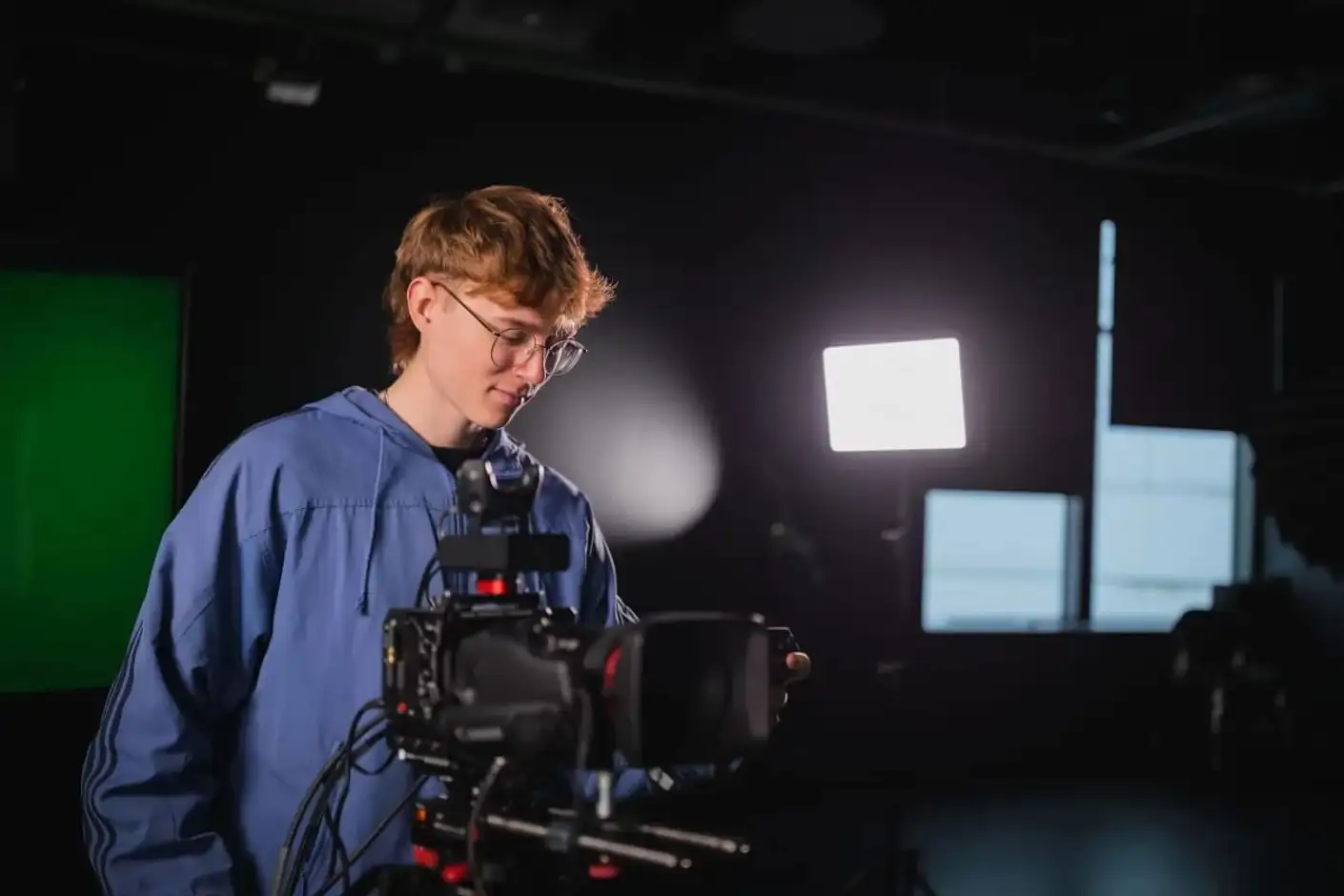
Access industry-standard cameras, lighting, sound and recording gear, supported by free Media Loans and experienced technicians. We have everything you need to help you experiment, refine and bring your work to life with confidence.
How to apply
All applications for full-time undergraduate courses or foundation degrees should be made via UCAS. Take the next step: Apply through UCAS
You can apply to us directly for all part-time undergraduate courses, if you’re seeking advanced entry or you’re an international student. To apply directly, please choose the application form below for your preferred start date and mode of study (full-time or part-time).
-
Apply direct
Media Production
-
Full-time, 3 years
-
September
-
Cardiff
-
If you already have a relevant qualification or experience related to the course you're applying for, you may be eligible to start at a later stage of the course. For example, students from partner colleges can ‘top up’ their qualifications to a degree by joining us in Year Two or Year Three of a course. This process is known as ‘advanced entry’, you can apply directly to the University for 'advanced entry' using the application forms provided above.
Applicants accepted through advanced entry may study a different combination of modules to those advertised, as they will be joining a course already in progress. You will be contacted and advised about these modules once your application has been processed and an offer made.
International applicants can apply to us directly. If the University has an in-country team in your region, your application will be assigned to them for assistance.
Related stories and highlights