Renewable and Sustainable Energy Technologies
The MSc Renewable and Sustainable Energy Technologies course will develop the cutting-edge multi-disciplinary knowledge and skills to enable you to develop a rewarding career in this fast moving growth industry.
How to apply Book an Open Evening Chat to Us/prod01/channel_2/media/university-of-south-wales/site-assets/images/03-courses/renewable-and-sustainable-energy/msc-renewable-energy-and-sustainable-technology.png)
Key Course Details
The renewable energy master’s is based in USW’s Sustainable Environment Research Centre (SERC) - a leading and internationally recognised centre for more than 30 years. SERC is also home to The Wales Centre of Excellence for Anaerobic Digestion and the University of South Wales Centre for Renewable Hydrogen Research and Demonstration.
DESIGNED FOR
In partnership with
- SERC, Sustainable Environment Research Centre
Career paths
- Energy Analyst
- Operations Manager
- Project Development Manager
- Development Consultant
- Environmental Manager
Skills taught
- Leadership
- Data analysis
- Emerging technology use
- Project planning and communication
- Creative problem solving
Module Overview
The subjects taught are underpinned by high quality research which is rated as being mainly internationally excellent or world-leading in the 2021 Research Excellence Framework. This included research in Anaerobic Digestion, Analytical Technology, Bioelectrochemical Systems, Biohydrogen and Biomethane Production, Hydrogen Energy, Hydrogen Vehicles and Refuelling, Biopolymer Production, Modelling and Control, Nano Materials and Wastewater Treatment.
Hydro, Tidal, Wave and Wind
This module covers the mechanical renewable energy technologies. This follows the operating principles of these technologies to demonstrate how methods used for analysis of one renewable energy technology can be transferred to others effectively.
Solar, Heat, and the Grid
This module discusses the challenges facing our energy systems, the interrelation between power demand, heat demand, and transport. This is a critical issue for the future where these demand networks will increasingly be interlinked using renewable electricity.
Bioprocesses for a Circular Economy
This module covers the evolution of the concept of biorefineries. It moves from disposal of biodegradable waste in landfill, via anaerobic digestion, to bioplastic production, bioH2 and biomethanation as a route for carbon utilisation and resource recovery.
Industrial Resource Recovery
This module investigates thermo/chemical routes for resource recovery and production. It includes content on production of potable water, as well as pyrolysis, industrial waste gas recovery and upgrading, and incineration.
Hydrogen Energy
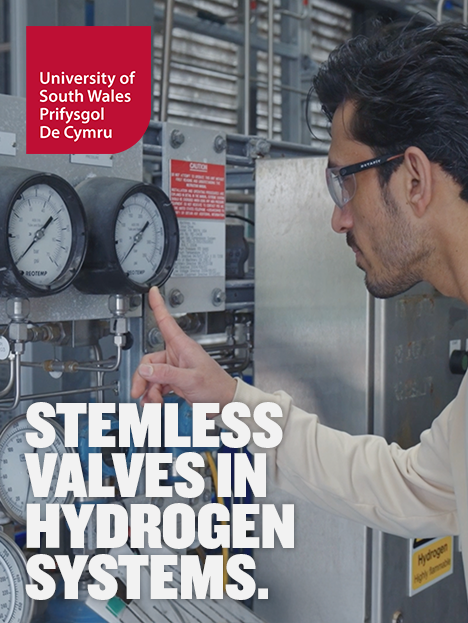
This module investigates the potential of hydrogen as a key solution to the energy problems of the 21st century, providing clean and efficient heat and power from a range of indigenous sources
Energy and Environmental Legislation and Policy
The module reviews the legislative frameworks aiming at security of energy supply, overcoming energy dependency, and improving global sustainable development by tackling issues such as clean energy supply, nature conservation, integrated pollution control, transboundary pollution, climate change, waste resources management and planning and land use.
Dissertation
You will complete a substantial dissertation project (60 credits) within the Sustainable Environment Research Centre where you will be supervised by our team of academics and researchers with access to our state-of-the-art laboratories. Your project may also be embedded into one of our externally funded projects such as FLEXIS, or SMART circle, bringing you into contact with industry and ensuring that your work is of industrial relevance.
Course Highlights
How you'll learn
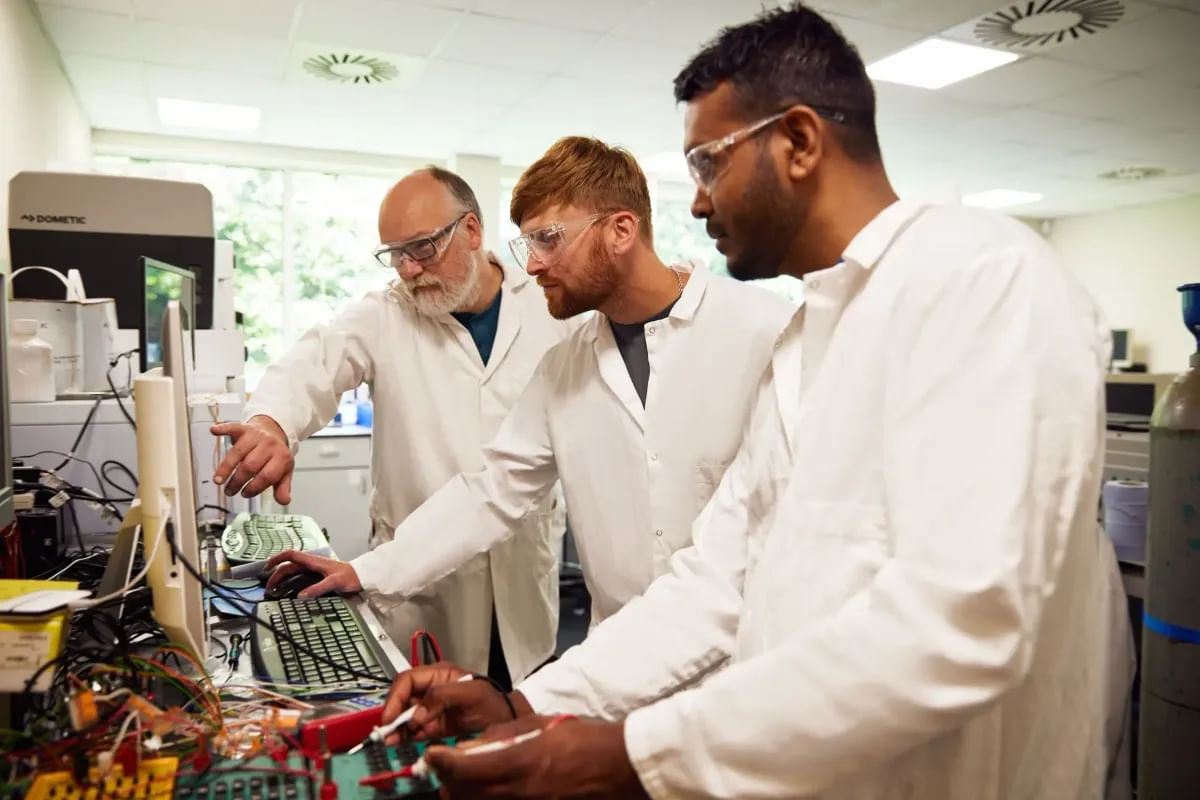
Each taught module consists of 36 hours of lectures, tutorials, and computing based practical sessions as well as our program of site visits to put the theory into context.
Full time students will typically attend two days a week, with part time students attending one day a week. You will also be expected to work and conduct research individually.
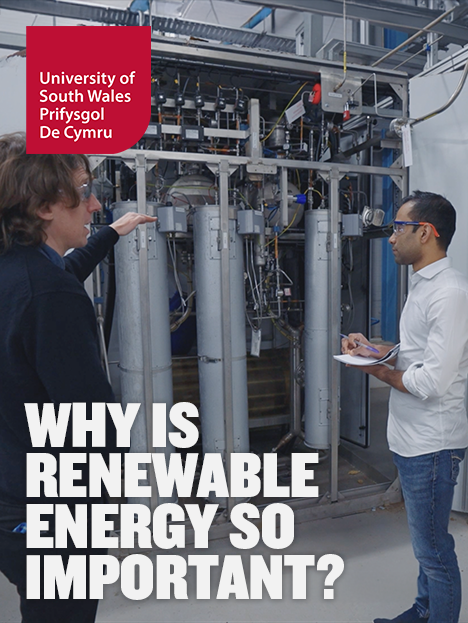
Site visits includes tours of Radyr Hydro Power Station; Mynydd Portref Wind Farm; Cardiff WWTP; Court Farm Water Treatment Plant; and the Hydrogen Demonstration Centre at Baglan.
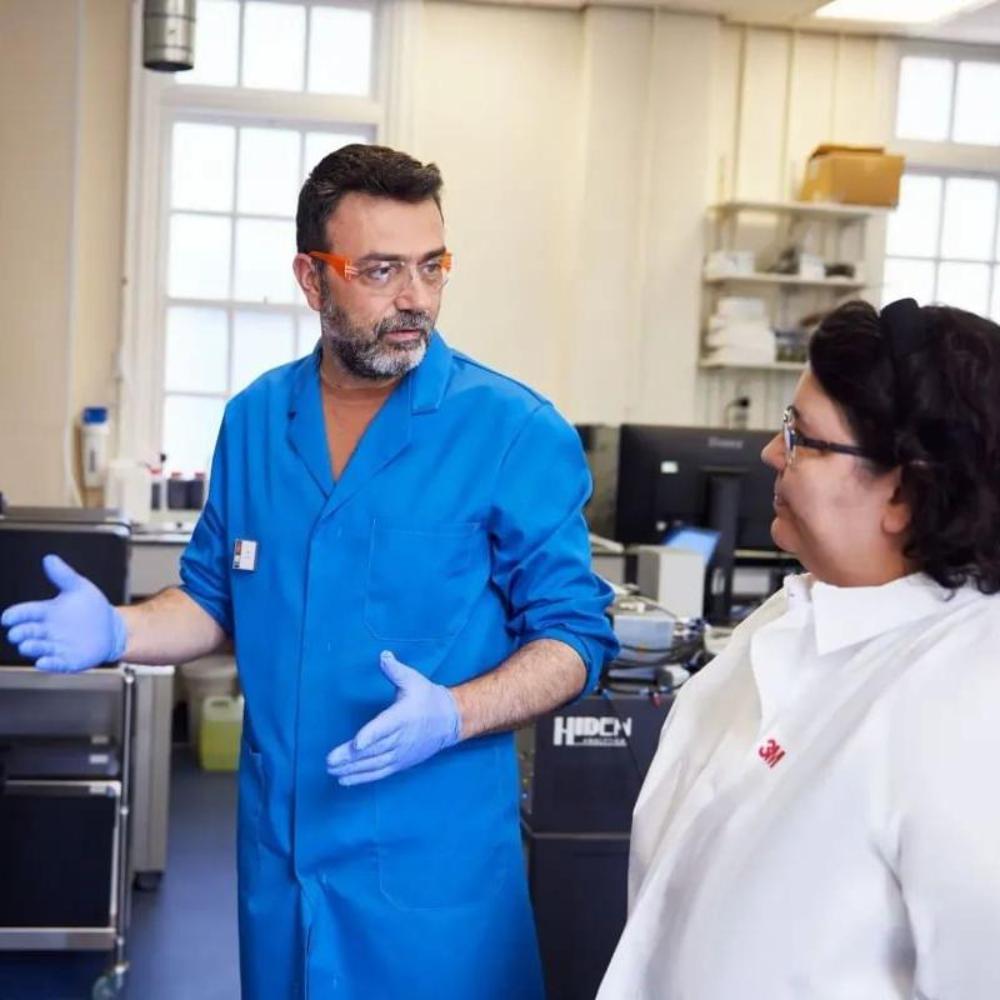
You will be able to learn key analytical techniques from our research team at our SERC labs. There will be different forms of assessment including projects, presentations, portfolios, and the written dissertation.
/prod01/channel_2/media/university-of-south-wales/site-assets/images/08-subjects/renewable-and-sustainable-energy/subject-renewable-and-sustainable-energy-51511.jpg)
Teaching staff
- Dr James Reed, (course leader)
- Prof Sandra Esteves
- Prof Richard Dinsdale
- Prof Alan Guwy
- Jon Maddy
- Dr Jaime Massanet-Nicolau
- Dr Tim Patterson
- Dr Christian Laycock
- Dr Stephen Carr
- Dr Iain Michie
/prod01/channel_2/media/university-of-south-wales/site-assets/images/08-subjects/renewable-and-sustainable-energy/subject-renewable-and-sustainable-energy-51512.jpg)
Facilities
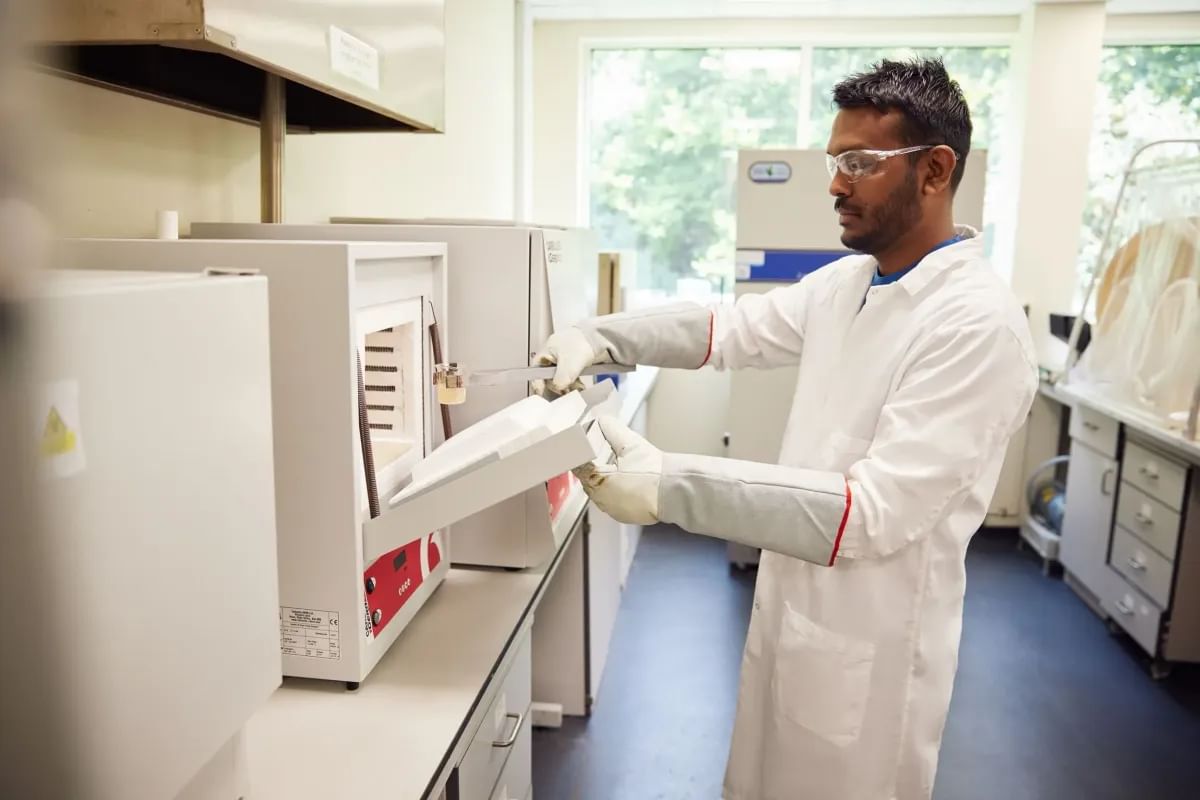
You will make use of our state-of-the-art biosystems laboratories including our Hydrogen Research and Demonstration Centre at Baglan.
/prod01/channel_2/media/university-of-south-wales/site-assets/images/08-subjects/renewable-and-sustainable-energy/subject-renewable-and-sustainable-energy-51521.jpg)
Additional Costs
As a student of USW, you’ll have access to lots of free resources to support your study and learning, such as textbooks, publications, online journals, laptops, and plenty of remote-access resources. Whilst in most cases these resources are more than sufficient in supporting you with completing your course, additional costs, both obligatory and optional, may be required or requested for the likes of travel, memberships, experience days, stationery, printing, or equipment.
/prod01/channel_2/media/event-graduation-cardiff-28660-857X857.jpg)
/prod01/channel_2/media/university-of-south-wales/site-assets/images/01-campus-and-facilities/12-campus-spaces/campus-spaces-newport-library-27766-785X785.jpg)
/prod01/channel_2/media/university-of-south-wales/site-assets/images/01-campus-and-facilities/12-campus-spaces/campus-spaces-newport-library-27717-857X857.jpg)
Admissions Advice
We're here to help. Whether you a have a question about your course, fees and funding, the application process or anything else, there are plenty of ways you can get in touch and we'd to talk to you. You can contact our friendly admissions team by phone, email or chat to us online.
Contact UsHow to apply
There is an online application process for this course. Please choose the application form for your preferred start date and mode of study (i.e. full-time or part-time).
International admissions
Please see our international admissions advice for further information about how to apply as a prospective international student.
Admissions Advice
We're here to help. Whether you a have a question about your course, fees and funding, the application process or anything else, there are plenty of ways you can get in touch and we'd to talk to you. You can contact our friendly admissions team by phone, email or chat to us online.
Contact Us