Urban Design
Develop the skills and confidence to shape inclusive, sustainable, urban places. Investigate how design, planning and institutions can work together to shape better places for people and communities.
How to apply Book an Open Evening Chat to us
UCAS Code
Start Date
September 2027
Location
Pontypridd
Campus Code
A
UCAS Code
Start Date
September 2027
Location
Pontypridd
Campus Code
A
International students: £18,300*
Course Overview
Explore the challenges facing towns and cities through practical projects, live urban contexts and collaborative learning, building your ability to make informed design decisions.
You’ll explore urban design through planning, architecture and human geography, developing your understanding of how places are shaped by people, policy and the environment. You’ll use spatial data and digital tools, work on applied design projects and undertake independent research, gaining practical skills relevant to urban policy, design and placemaking.
Why study this course?
What you'll study
Develop your understanding of how urban places are designed, shaped and managed.
You’ll explore sustainability, public realm design, leadership and collaboration before bringing your knowledge together through an independent research project.
Examine how cities and urban places are shaped by design, planning policy, movement and governance. You’ll use spatial evidence and digital tools to understand contemporary urban design challenges.
Consider how sustainability shapes decisions about buildings, projects and places. You’ll examine environmental policy, carbon, circular economy principles and resilience, developing your ability to evaluate sustainability claims and make evidence-based decisions.
Work with a real regional site to explore how streets, parks, squares and civic spaces shape everyday life. You’ll develop inclusive design ideas through site visits, observation and practical studio work.
Build the skills to lead and collaborate effectively across urban design projects. You’ll explore communication, negotiation, conflict management and stakeholder engagement, learning how strong relationships support successful project outcomes.
Take your interests further by investigating a contemporary urban design question in depth. You’ll develop and carry out your own research, working with an academic supervisor to produce a substantial project with academic or professional relevance.
We regularly review our courses to keep pace with changing skills and employer needs. If a review leads to significant changes, we’ll contact you to explain what’s changing for the coming year.
Teaching and Assessment
Teaching and assessment on the MSc Urban Design course is designed to help you become a confident, independent practitioner. You’ll develop your critical thinking and apply your knowledge to real urban challenges. You’ll also have opportunities to reflect on your decisions and draw on current research, professional practice and the needs of communities.
You’ll learn through a blend of interactive teaching, practical workshops, collaborative projects and independent study. You’ll explore real urban challenges through case studies, live briefs and problem-solving activities, helping you connect ideas with professional practice. You’ll also use digital tools such as GIS, 3D modelling and visualisation to explore urban environments. Site visits and project input from industry professionals will give you insight into current practice, while regular feedback and reflection will help you develop your ideas and build confidence.
You’ll be assessed through a range of practical and academic tasks that reflect the skills used in urban design practice. These may include design portfolios, visual journals, presentations, group projects, reflective assignments and research. You’ll be encouraged to analyse evidence, develop and justify your ideas, respond to feedback and consider the social, environmental and professional impact of your decisions.
We encourage a hands-on approach to teaching. Students learn by doing, putting their theory into practice in immersive environments and real-life scenarios. Instead of just reading textbooks and listening to lectures, we'll ensure you have countless first-hand experiences and opportunities to get actively involved in your chosen profession, gaining practical skills that will prepare you for your future career.
From hands-on projects and real-world simulations to industry collaborations working with real clients, tackling real problems, and developing the skills employers are looking for. We create graduates who are prepared for the future. People ready to build their careers.
You’ll have access to specialist teaching spaces, IT and CAD facilities and industry-standard software to support your urban design studies. You’ll use digital tools for mapping, modelling and visualisation, including GIS and Building Information Modelling (BIM). You’ll also have access to library resources, academic support and digital learning facilities to help you develop your knowledge and skills.
Course Leader
Thomas Lambourne
Meet Dr Thomas Lambourne, Senior Lecturer in Urban Development and Course Leader for MSc Urban Design. With a background in human geography, his academic expertise centres on housing, urban development, and citizen participation. His teaching includes urban planning, housing and consultation, and he also leads our undergraduate dissertations. His research explores tenant participation and the social housing sector.
For further information about the course, contact Thomas directly via email.
Entry Requirements
Contextual offers
We may make you a lower offer based on a range of factors, including your background (where you live and the school or college that you attended, for example), your experiences and individual circumstances (as a care leaver, for example). This is referred to as a contextual offer, and we receive data from UCAS to support us in making these decisions.
USW prides itself on its student experience and we support our students to achieve their goals and become a successful graduate. This approach helps us to support students who have the potential to succeed and who may have faced barriers that make it more difficult to access university.
How to applyContextual admissions policyAsk us a questionTypical qualification requirements
A minimum 2:2 Honours degree.
International applications welcomed:
We welcome international applications with equivalent qualifications of our entry requirements. For more details related to your country of residence, please view our dedicated country pages.
International studentsPre-Sessional EnglishEnglish language requirements
International applicants will need to have achieved an overall of IELTS 6.0 with a minimum of 5.5 in each component/TOEFL 4 overall and a minimum of 4 in each component or equivalent.
Equivalents can be located on our English Language pages.
If you have previously studied through the medium of English, IELTS might not be required, please visit our country specific page for further details. If your country is not featured, please contact us.
If you do not meet the English entry criteria, please visit our Pre-Sessional course pages.
Fees and Funding
Studying at university is one of the most significant investments you'll ever make. Whilst you’re studying, you’ll have two main financial obligations – tuition fees and living costs. There’s lots of financial help available from the University of South Wales and external funding sources, that may provide loans (which have to be paid back) and grants, scholarships and bursaries (that don't).
*Full-time fees are per year. Part-time fees are per 20 credits. Once enrolled, the fee is anticipated to remain at the same rate throughout the duration of your study on this course except as described below.
Please be aware that we may increase the maximum fee for home students on full-time undergraduate courses only where the Welsh Government increases the permitted level of inflation of fees. Fees for all students (including part-time, postgraduate and international students) may be amended in accordance with our applicable Fees and Debt Management Policy. We will ensure that students are given clear, intelligible, unambiguous and timely information about our courses and costs in good time, ahead of the next academic year.
As a student of USW, you’ll have access to lots of free resources to support your study and learning, such as textbooks, publications, online journals, laptops, and plenty of remote-access resources. Whilst in most cases these resources are more than sufficient in supporting you with completing your course, additional costs, both obligatory and optional, may be required or requested for the likes of travel, memberships, experience days, stationery, printing, or equipment.
Travel on public transport
£80
per year
Studying at university is one of the most significant investments you'll ever make. Whilst you’re studying, you’ll have two main financial obligations – tuition fees and living costs. There’s lots of financial help available from the University of South Wales and external funding sources, that may provide loans (which have to be paid back) and grants, scholarships and bursaries (that don't).
*Full-time fees are per year. Part-time fees are per 20 credits. Once enrolled, the fee is anticipated to remain at the same rate throughout the duration of your study on this course except as described below.
Please be aware that we may increase the maximum fee for home students on full-time undergraduate courses only where the Welsh Government increases the permitted level of inflation of fees. Fees for all students (including part-time, postgraduate and international students) may be amended in accordance with our applicable Fees and Debt Management Policy. We will ensure that students are given clear, intelligible, unambiguous and timely information about our courses and costs in good time, ahead of the next academic year.
As a student of USW, you’ll have access to lots of free resources to support your study and learning, such as textbooks, publications, online journals, laptops, and plenty of remote-access resources. Whilst in most cases these resources are more than sufficient in supporting you with completing your course, additional costs, both obligatory and optional, may be required or requested for the likes of travel, memberships, experience days, stationery, printing, or equipment.
Travel on public transport
£80

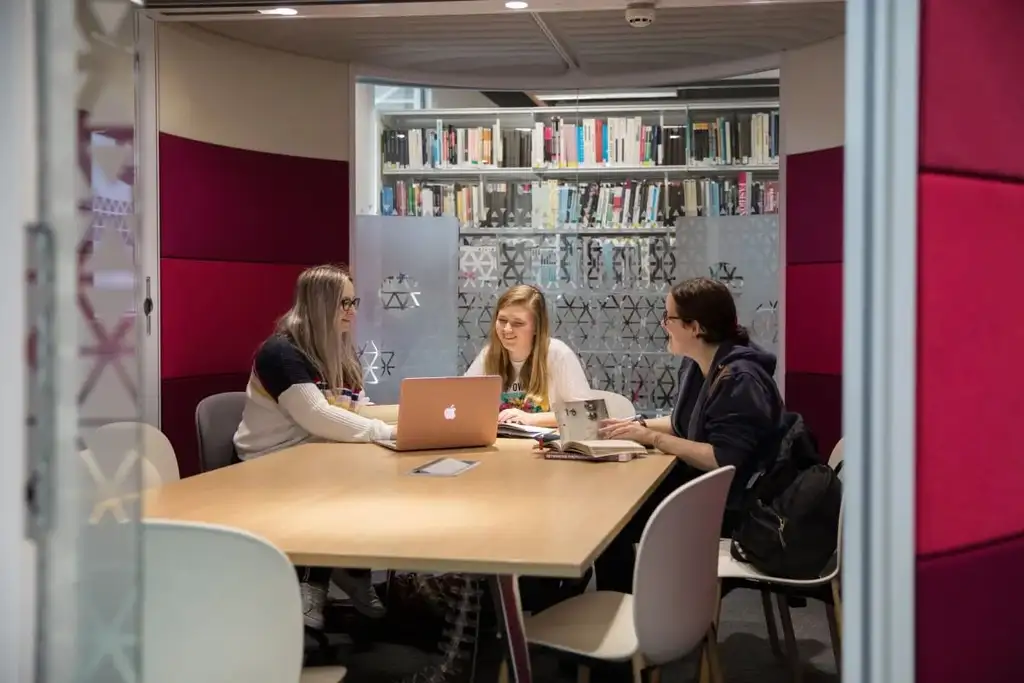
Explore our facilities
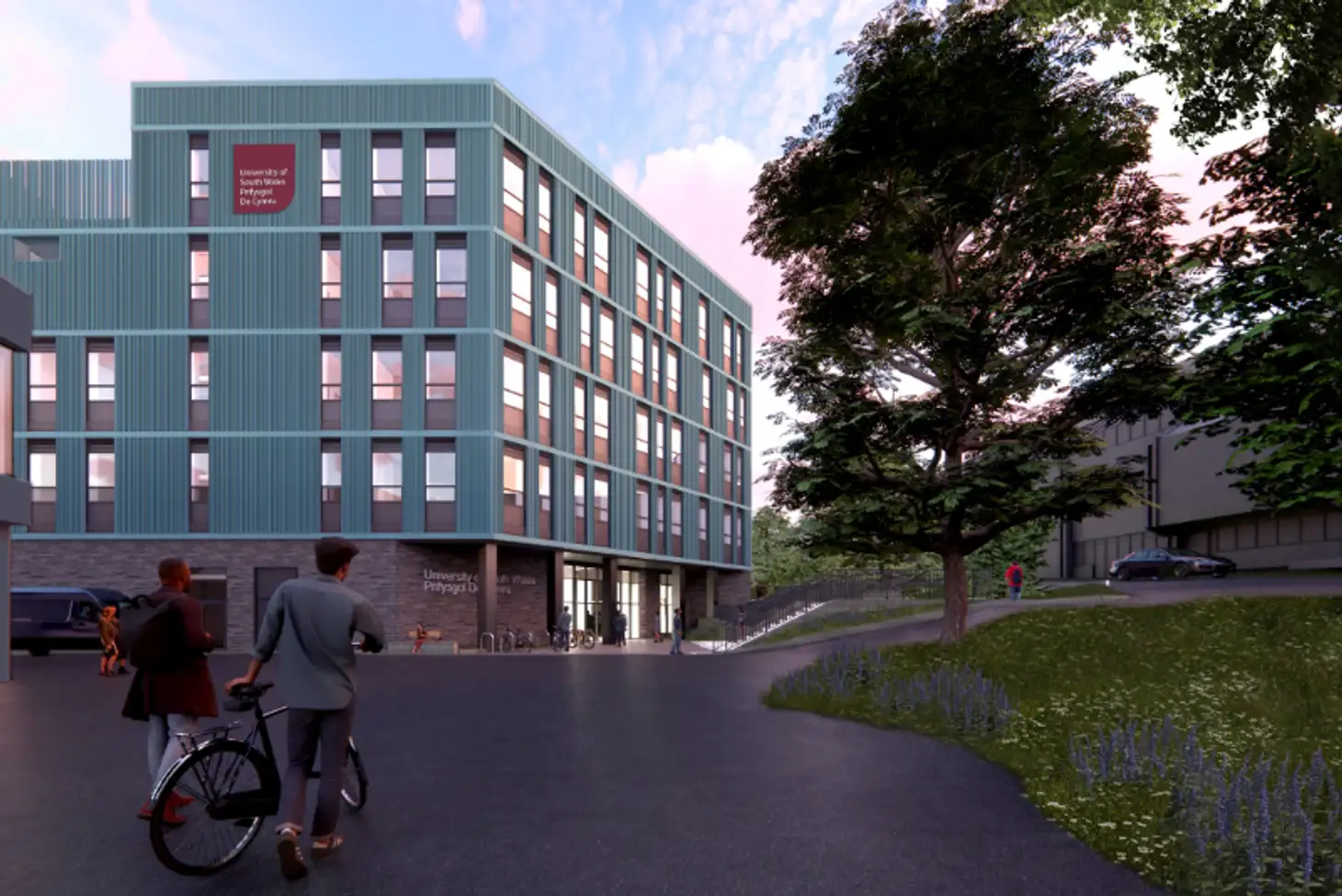
How to apply
There is an online application process for this course. Please choose the application form for your preferred start date and mode of study (i.e. full-time or part-time).
-
Apply direct
Urban Design
-
Full-time, 1 years
-
September
-
Pontypridd
-
-
Apply direct
Urban Design
-
Part-time, 2 years
-
September
-
Pontypridd
-
Please see our international admissions advice for further information about how to apply as a prospective international student.