Media Communications
Discover how media shapes society as you build the critical understanding and practical skills for a career in the creative industries.
How to apply Apply through UCAS Book an Open Day Chat to us/filters:format(webp)/prod01/channel_2/media/university-of-south-wales/site-assets/images/03-courses/journalism-and-media/ba-media-culture-journalism.jpg)
UCAS Code
PP36
Start Date
September 2027
Location
Cardiff
Campus Code
B
UCAS Points
104
Course Overview
Take part in today’s biggest media conversations as you explore how the relationship between media, society and culture shapes who we are.
Combining critical thinking with practical media skills, you'll investigate contemporary issues, develop your own perspectives and gain experience through live projects, industry engagement and work placements. Whether you're interested in media industries, digital culture or communications, you'll graduate with the knowledge and skills to pursue a wide range of careers.
Why study this course?
What you'll study
Lay the foundations as you learn key themes through detailed study of the practices and theory of newspapers, cinema, television, the internet, music and other media forms.
Take part in all manner of discussions and workshops and develop key communication skills as you learn about innovative media.
Critically explore creative media-making that centres on cutting-edge communications technology, and blend theory and practice to produce scholarly content communicated in creative ways.
Develop a critical awareness of issues underlying the history and development of media, culture and creative industries in Wales.
Interrogate TV genres including drama, reality, quiz shows and more, exploring their role in contemporary culture and the factors that influence the landscape.
Students will engage with a range of journalistic practices that support your academic and professional development in media-making and communication skills, located within current cultural contexts.
Explore critical theories of media, covering key themes such as media representation and its effects, audience research, and the political economy of media.
Examine how audio in all its guises communicates meaning and can be used to influence cultures and individuals.
Explore the in-depth relationship between media and audiences, the power of media institutions, the reach of international media and the importance of digital media.
We encourage you to get involved in work experience, and specialist training in media research skills is available.
Combine journalism, PR and marketing to develop a mixed media project involving feature writing, podcasts and video, informed by audiences and clients.
Explore issues such as the evolution of feminism and masculinity, queer theory and trans-gender, referencing literature, film and TV, music and the internet.
Get to grips with various methods and approaches to researching the media in preparation for your final-year dissertation.
Explore the many ways in which audiences influence and interact with the media, such as culture and taste, audience and fan creativity, critical reception and more.
Examine technological determinism, datafication and online community, and how these influence contemporary society and culture.
Explore how communications and campaigns are developed and delivered across media, creating content for different audiences and platforms while evaluating what makes campaigns effective.
Develop an advanced understanding of key contemporary issues in the media and consolidate your own areas of interest.
Demonstrate these in a detailed major project and prepare to enter the industry through further work experience and work on your own portfolio of creative media.
An in-depth research project into a key issue within media, culture and journalism, after which you'll present your findings to a panel.
Examines how international relations of power are embedded in the production, transmission and negotiation of media information across the globe.
Explore the rise of transmedia and convergence culture before developing a project proposal for a transmedia experience, showcasing your knowledge of key concepts.
Explore various pathways, from local to international, where media is circulated. Address how spaces can serve audiences, deny them access, and act as significant events in individuals’ lives.
We regularly review our courses to keep pace with changing skills and employer needs. If a review leads to significant changes, we’ll contact you to explain what’s changing for the coming year.
Teaching and Assessment
You'll learn through seminars, workshops, discussions, industry masterclasses and practical media activities. Throughout the course, you'll explore contemporary media issues, analyse cultural trends and develop communication skills through individual and collaborative projects. Industry professionals regularly contribute guest sessions, live briefs and workplace insights to help connect your learning to current media practice.
You'll develop your understanding of media through debate, discussion, practical workshops and independent research. Working alongside academics and industry professionals, you'll explore topics that interest you while developing critical thinking, communication and creative media skills. Work placements, live projects and guest masterclasses provide opportunities to apply your learning in professional settings.
Assessment reflects the diverse nature of media communications practice. You'll complete a range of coursework including essays, presentations, blogs, portfolios, podcasts, interviews, video essays, live briefs and group projects. This approach allows you to demonstrate your analytical, creative and communication skills while building a portfolio of work throughout your studies.
Work experience is embedded within the course, as you regularly work on live projects and develop professional skills. We also invite local organisations and media organisations to our Cardiff campus where you can engage with them. Work placements in your second year will give you the chance to make an impact and see how the industry operates. Typical work experience includes placements with the BBC, working on marketing campaigns for productions such as His Dark Materials, or working with renowned public relations companies. Our course staff and careers teams can support you in sourcing a meaningful placement.
Study in Cardiff and learn using the facilities you'll find across today's media industry. From TV and radio studios to podcasting equipment and editing software, you'll gain practical experience throughout your course. You'll also spend time learning at Bad Wolf Studios and, in your final year, organise a community cinema event for local audiences.
Course Leader

James Rendell
James leads BA Media Communications, bringing together industry experience, internationally recognised research and a passion for helping students succeed. Through collaborations with organisations including Aardman, Creative Wales, the BBC and the Wales Broadcast Archive, he brings current industry practice into the classroom and creates opportunities for students to work on meaningful, career-focused projects. His teaching encourages you to think critically, create confidently and understand how media shapes the world around us. You'll graduate with practical experience, industry-recognised Albert sustainability training, and the skills, confidence and professional network to begin your career in the creative industries.
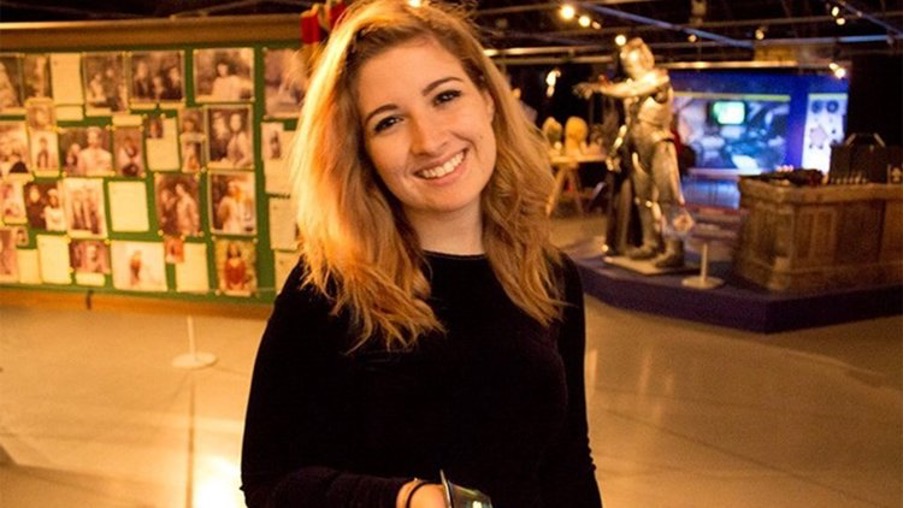
“Experience is now crucial when competing for jobs – it gives you more of an edge to future employers.”
Charlotte Brownhill, Media, Culture and Journalism student
Entry Requirements
Additional requirements include:
GCSEs: The University normally requires a minimum 5 GCSEs including Mathematics/Numeracy and English at Grade C or Grade 4 or above, or their equivalent, but consideration is given to individual circumstances
Contextual offers
We may make you a lower offer based on a range of factors, including your background (where you live and the school or college that you attended, for example), your experiences and individual circumstances (as a care leaver, for example). This is referred to as a contextual offer, and we receive data from UCAS to support us in making these decisions.
USW prides itself on its student experience and we support our students to achieve their goals and become a successful graduate. This approach helps us to support students who have the potential to succeed and who may have faced barriers that make it more difficult to access university.
How to applyContextual admissions policyAsk us a question104 UCAS points or above
Typical qualification requirements
A Level:
BCC to include a relevant art and design subject
Welsh BACC:
Pass the Advanced Welsh Baccalaureate Diploma with Grade C/B in the Skills Challenge Certificate and BC - CC at A Level (this is equivalent to 104 UCAS tariff points).
BTEC:
BTEC Extended Diploma Distinction Merit Merit (this is equivalent to 112 UCAS tariff points).
Access to HE:
Pass the Access to HE Diploma with a minimum of 104 UCAS tariff points
T Level:
Pass (C and above)
International applications welcomed:
We welcome international applications with equivalent qualifications of our entry requirements. For more details related to your country of residence, please view our dedicated country pages.
International studentsPre-Sessional EnglishEnglish language requirements
International applicants will need to have achieved an overall of IELTS 6.0 with a minimum of 5.5 in each component/TOEFL 4 overall and a minimum of 4 in each component or equivalent.
Equivalents can be located on our English Language pages.
If you have previously studied through the medium of English, IELTS might not be required, please visit our country specific page for further details. If your country is not featured, please contact us.
If you do not meet the English entry criteria, please visit our Pre-Sessional course pages.
Fees and Funding
Studying at university is one of the most significant investments you'll ever make. Whilst you’re studying, you’ll have two main financial obligations – tuition fees and living costs. There’s lots of financial help available from the University of South Wales and external funding sources, that may provide loans (which have to be paid back) and grants, scholarships and bursaries (that don't).
*Full-time fees are per year. Part-time fees are per 20 credits. Once enrolled, the fee is anticipated to remain at the same rate throughout the duration of your study on this course except as described below.
Please be aware that we may increase the maximum fee for home students on full-time undergraduate courses only where the Welsh Government increases the permitted level of inflation of fees. Fees for all students (including part-time, postgraduate and international students) may be amended in accordance with our applicable Fees and Debt Management Policy. We will ensure that students are given clear, intelligible, unambiguous and timely information about our courses and costs in good time, ahead of the next academic year.
As a student of USW, you’ll have access to lots of free resources to support your study and learning, such as textbooks, publications, online journals, laptops, and plenty of remote-access resources. Whilst in most cases these resources are more than sufficient in supporting you with completing your course, additional costs, both obligatory and optional, may be required or requested for the likes of travel, memberships, experience days, stationery, printing, or equipment.
Work experience expenses
Students may be required to travel to work experience opportunities and/or need suitable workplace attire.
Cost: Variable
Students may need to pay for travel of optional field trips.
Cost: Variable
Studying at university is one of the most significant investments you'll ever make. Whilst you’re studying, you’ll have two main financial obligations – tuition fees and living costs. There’s lots of financial help available from the University of South Wales and external funding sources, that may provide loans (which have to be paid back) and grants, scholarships and bursaries (that don't).
*Full-time fees are per year. Part-time fees are per 20 credits. Once enrolled, the fee is anticipated to remain at the same rate throughout the duration of your study on this course except as described below.
Please be aware that we may increase the maximum fee for home students on full-time undergraduate courses only where the Welsh Government increases the permitted level of inflation of fees. Fees for all students (including part-time, postgraduate and international students) may be amended in accordance with our applicable Fees and Debt Management Policy. We will ensure that students are given clear, intelligible, unambiguous and timely information about our courses and costs in good time, ahead of the next academic year.
As a student of USW, you’ll have access to lots of free resources to support your study and learning, such as textbooks, publications, online journals, laptops, and plenty of remote-access resources. Whilst in most cases these resources are more than sufficient in supporting you with completing your course, additional costs, both obligatory and optional, may be required or requested for the likes of travel, memberships, experience days, stationery, printing, or equipment.
Work experience expenses
Students may be required to travel to work experience opportunities and/or need suitable workplace attire.
Cost: Variable
Students may need to pay for travel of optional field trips.
Cost: Variable
/filters:format(webp)/prod01/channel_2/media/university-of-south-wales/site-assets/images/18-campaign-assets/built-to-shape-futures/campaign-built-to-shape-futures-58868.jpg)
/filters:format(webp)/prod01/channel_2/media/university-of-south-wales/site-assets/images/01-campus-and-facilities/12-campus-spaces/campus-spaces-cardiff-library-pod.jpg)
Media Loans
Access industry-standard cameras, lighting, sound and recording gear, supported by free Media Loans and experienced technicians. We have everything you need to help you experiment, refine and bring your work to life with confidence.
How to apply
All applications for full-time undergraduate courses or foundation degrees should be made via UCAS. Take the next step: Apply through UCAS
You can apply to us directly for all part-time undergraduate courses, if you’re seeking advanced entry or you’re an international student. To apply directly, please choose the application form below for your preferred start date and mode of study (full-time or part-time).
-
Apply direct
Media Communications
-
Full-time, 3 years
-
September
-
Cardiff
-
If you already have a relevant qualification or experience related to the course you're applying for, you may be eligible to start at a later stage of the course. For example, students from partner colleges can ‘top up’ their qualifications to a degree by joining us in Year Two or Year Three of a course. This process is known as ‘advanced entry’, you can apply directly to the University for 'advanced entry' using the application forms provided above.
Applicants accepted through advanced entry may study a different combination of modules to those advertised, as they will be joining a course already in progress. You will be contacted and advised about these modules once your application has been processed and an offer made.
International applicants can apply to us directly. If the University has an in-country team in your region, your application will be assigned to them for assistance.
/filters:format(webp)/prod01/channel_2/media/university-of-south-wales/site-assets/images/14-features/features-charlotte-brownhill.jpg)
/filters:format(webp)/prod01/channel_2/media/university-of-south-wales/site-assets/images/04-profiles/41-undergraduate-student/Alex-Media-Culture-Journalism-story.jpg)
Related stories and highlights
/filters:format(webp)/prod01/channel_2/media/university-of-south-wales/site-assets/images/16-other/BBC-Radio-Wales-collaborates-with-USW.jpg)
/filters:format(webp)/prod01/channel_2/media/university-of-south-wales/site-assets/images/16-other/Students-kick-off-careers-in-sports.jpg)
/filters:format(webp)/prod01/channel_2/media/university-of-south-wales/site-assets/images/16-other/gradfest/creative-graduate-festival-2026/Games-Academy-Launch-(61-of-110).jpg)
/filters:format(webp)/prod01/channel_2/media/university-of-south-wales/site-assets/images/news/2026/04-april/RTS-Cymru-Awards-group.jpg)
/filters:format(webp)/prod01/channel_2/media/university-of-south-wales/site-assets/images/news/2024/11-november/Lyndsey-Crompton.jpg)
/filters:format(webp)/prod01/channel_2/media/university-of-south-wales/site-assets/images/07-student-life/72-students-union/student-life-students-union--52621.jpg)