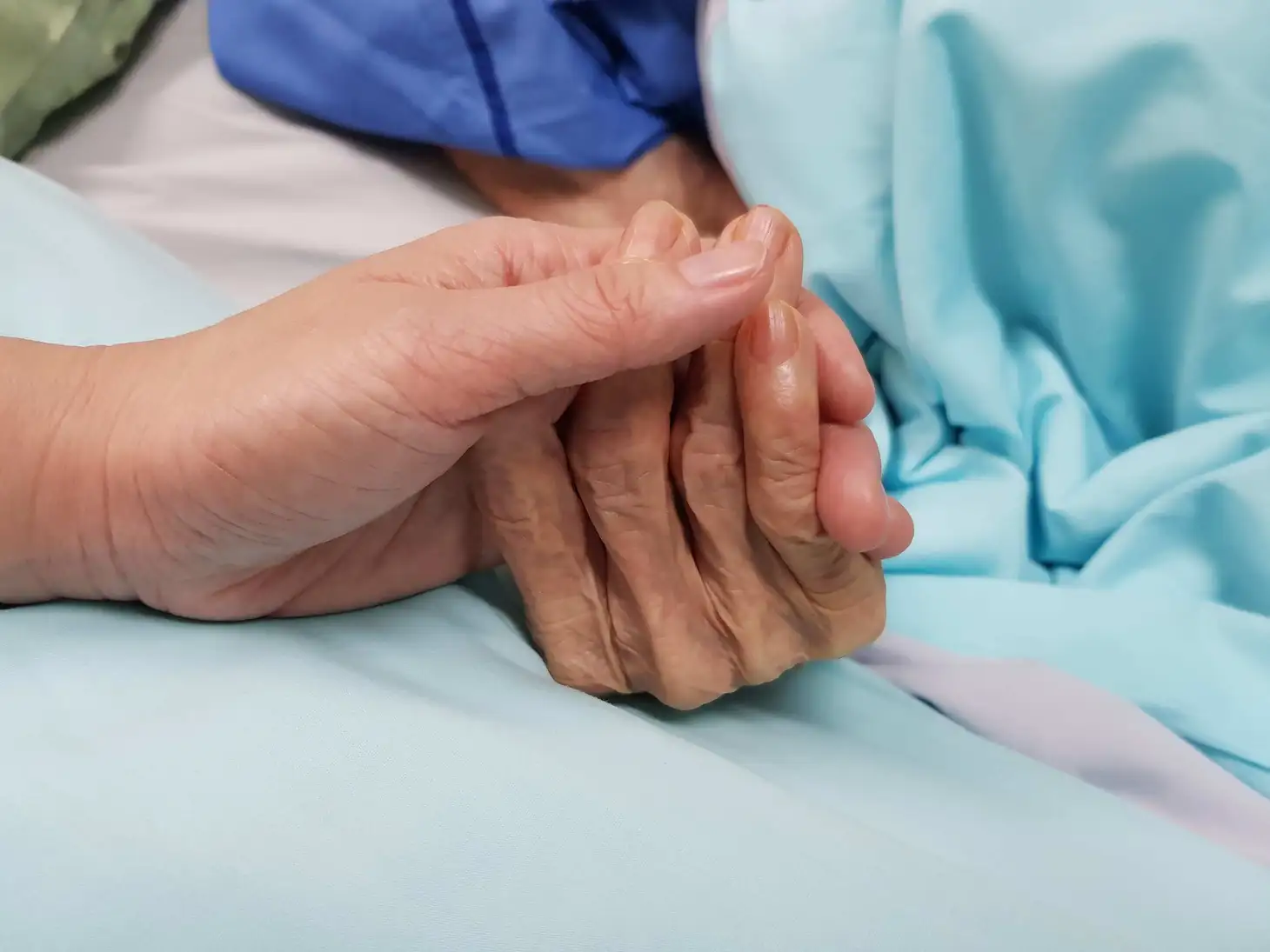
Spirituality and Spiritual Care
This short CPD course for Health, Social Care and Allied Health Professionals is available to study at your own pace and time.

Course overview
With easy access to materials and interactive participative learning, you will learn how to address the personal, religious and spiritual beliefs of clients as part of person-centered holistic care.
Addressing people's spiritual care needs is increasingly being recognised as important in health and social care globally. This programme will provide you with the knowledge and skills required in your person-centered care practice.
The aims of this programme will help you to:
- Consider the competencies practiced within a compassionate relationship and founded in a person-centered and reflective attitude of openness, presence and trust.
- Treat people in a holistic way that has been shown to enhance recovery, quality of life, and potential to live independent, happy and fulfilled lives.
- Support them in finding meaning, purpose, value and connection in the midst of life-changing events such as illness, uncertainty, sadness and loss
Why study this course?
What you'll learn
Drivers for spirituality & spiritual care
An international perspective. Identifies who is calling for spirituality to be included within health & social care: policy makers; professional regulatory bodies; patients and carers; health & social care professionals.
Intrapersonal spirituality
Understanding what ‘spirituality’ and ‘spiritual care’ mean, the impact of one’s own values and beliefs on care provision, life changing events as a trigger to the spiritual, self-care.
Interpersonal spirituality
Engaging with peoples’ spirituality, acknowledging their unique spiritual and cultural worldviews, beliefs, and practices.
Assessment & planning
Assessing spiritual needs and resources using formal and informal approaches and planning spiritual care.
Intervention & evaluation
Responding to spiritual needs and resources and evaluating the outcome. Documentation, referral, working with others, the spiritual care specialist, ethical issues, personal/professional limitations, compassionate presence.
Next steps
Looking ahead & further professional development. Focuses on applying the course content to your practice and professional development.
Teaching and assessment
Studying a short CPD course at the University of South Wales has a number of benefits, it is a flexible way to progress in your career field of choice, further your knowledge and gain recognition. Please be advised that access to the online learning materials is valid for a duration of three months from the date of enrolment. Ensure timely completion of the course within this timeframe.
The whole programme consists of 6 modules that you can enrol in individually or all together. Each module takes between 30 minutes and 90 minutes to complete. The programme is available on a digital platform that can be accessed anytime, making learning flexible to fit in to your schedule.
Short Assessments to check learning are built in throughout, with an end of course assessment which, on completion, will offer you a digital credential of your CPD portfolio. This CPD Online only course provides 7 hours of learning, where you can learn at your own pace to fit around busy work schedules.
Course tutors
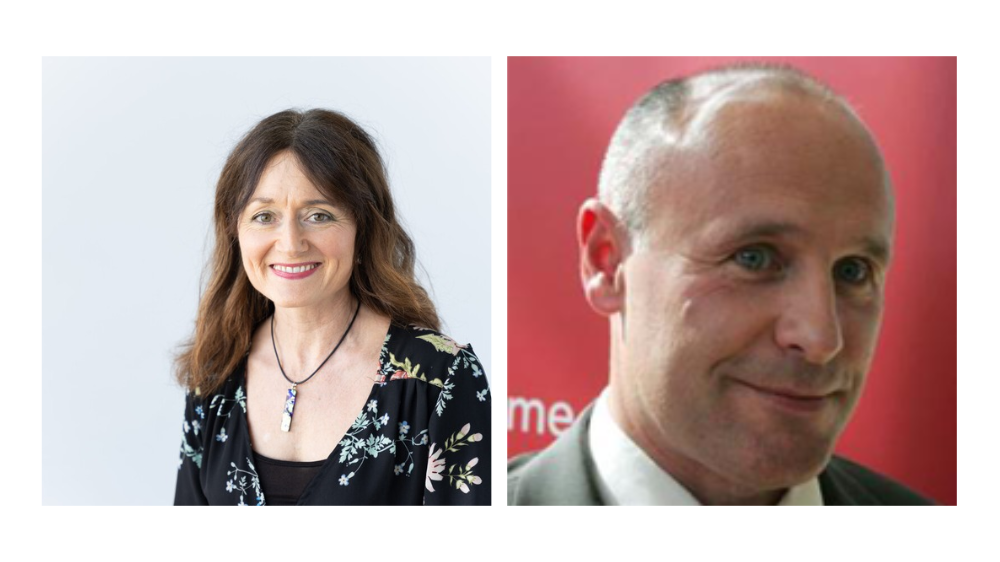
Professor Linda Ross and Professor Wilfred McSherry
The course is led by Professor Linda Ross (University of South Wales) and Professor Wilfred McSherry (Staffordshire University), two leading experts in spirituality and spiritual care in nursing and healthcare.
Professor Ross has pioneered research into nurses' understanding of spirituality and spiritual care, contributing to Welsh Government guidance and research that helped make spiritual care education mandatory for nursing, midwifery and allied health students in Wales. She also chairs the Spirituality, Health and Wellbeing in NHS and Social Care Wales (SHaW) group.
Professor McSherry has over 30 years' nursing experience and is internationally recognised for his research into spirituality, dignity and compassionate care. He developed the widely used Spirituality and Spiritual Care Rating Scale (SSCRS) and was awarded a Fellowship of the Royal College of Nursing in 2012 for his contribution to nursing.