Civil Engineering (Top Up)
Build on your previous civil engineering study through advanced technical learning, practical problem-solving and an independent project focused on the challenges facing today’s profession.
How to apply Apply through UCAS Book an Open Day Chat to us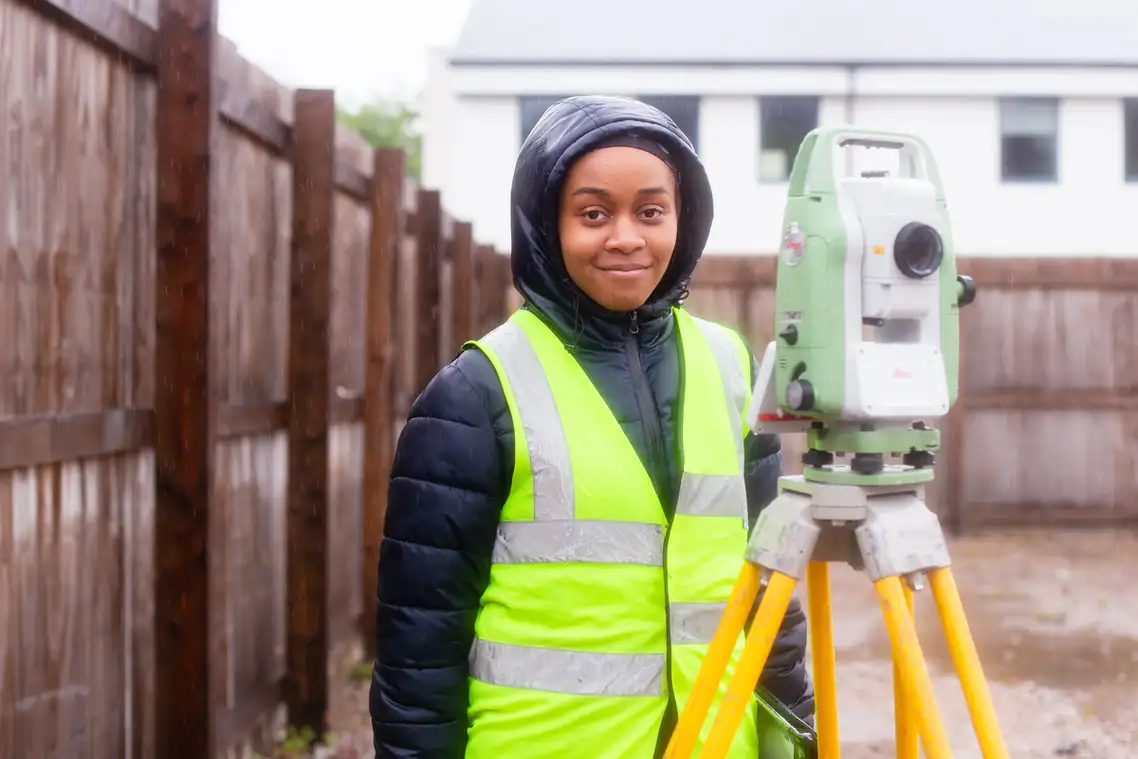
UCAS Code
Start Date
September 2027
Location
Pontypridd
Campus Code
A
UCAS Points
112
UCAS Code
Start Date
September 2028
Location
Pontypridd
Campus Code
A
UCAS Points
112
Fees
Home students: £9,790*
Course overview
Top up your existing civil engineering qualification to an honours degree while developing the technical knowledge, professional skills and independent judgement needed for contemporary practice.
You’ll explore structural engineering, geotechnical analysis and environmental management while learning to solve complex, real-world engineering problems. Practical activities, digital engineering tools and an individual research project will develop your analytical, design and decision-making skills, with sustainability, ethics and professional responsibility embedded throughout the course.
Why study this course?
What you'll study
Tackle complex engineering challenges, develop sustainable design solutions and apply your expertise to real world problems, while building your research, problem solving and project management skills.
Apply advanced structural engineering principles to analyse and design complex structures, using digital tools and current design standards to develop safe, efficient and sustainable solutions to real world challenges.
Apply advanced geotechnical and geo environmental engineering principles to practical design challenges, analysing technical data and evaluating sustainable solutions using industry standard tools and design standards.
Design sustainable civil engineering solutions by applying environmental engineering, flood risk management and transport principles, while developing skills in construction management, risk assessment and responsible project delivery.
Tackle an independent engineering project, applying research, technical analysis and problem solving to develop and evaluate evidence based solutions while strengthening your project management and professional skills.
We regularly review our courses to keep pace with changing skills and employer needs. If a review leads to significant changes, we’ll contact you to explain what’s changing for the coming year.
Teaching and assessment
You’ll develop advanced engineering knowledge through a combination of taught learning, practical application and independent enquiry. Authentic challenges connect theory with professional contexts, while varied assessments allow you to demonstrate technical understanding, analytical ability and sound engineering judgement.
You’ll learn through lectures, tutorials, laboratory sessions, design workshops, computer-based modelling, seminars and project supervision. Practical experimentation and specialist software help you test theory in realistic engineering contexts. Collaborative tasks develop communication, teamwork and leadership, while guided and independent study builds the confidence to evaluate technical evidence and make informed decisions.
Assessment includes practical coursework, time-constrained classroom tests, a report or presentation, and an individual dissertation or major project with an oral presentation. These tasks test your ability to analyse evidence, apply engineering principles and justify solutions. Tutorial exercises, laboratory feedback, draft submissions and project supervision give you opportunities to practise and improve before summative assessment.
We encourage a hands-on approach to teaching. Students learn by doing, putting their theory into practice in immersive environments and real-life scenarios.
Instead of just reading textbooks and listening to lectures, we'll ensure you have countless first-hand experiences and opportunities to get actively involved in your chosen profession, gaining practical skills that will prepare you for your future career.
From hands-on projects and real-world simulations to industry collaborations working with real clients, tackling real problems, and developing the skills employers are looking for, we create graduates who are prepared for the future.
Develop practical engineering skills in specialist teaching laboratories for structures, materials and geotechnics, alongside fieldwork and digital design activities.
You’ll enjoy learning both in the classroom and by getting hands-on in the real world as you take part in field trips, site visits and industry emplacements.
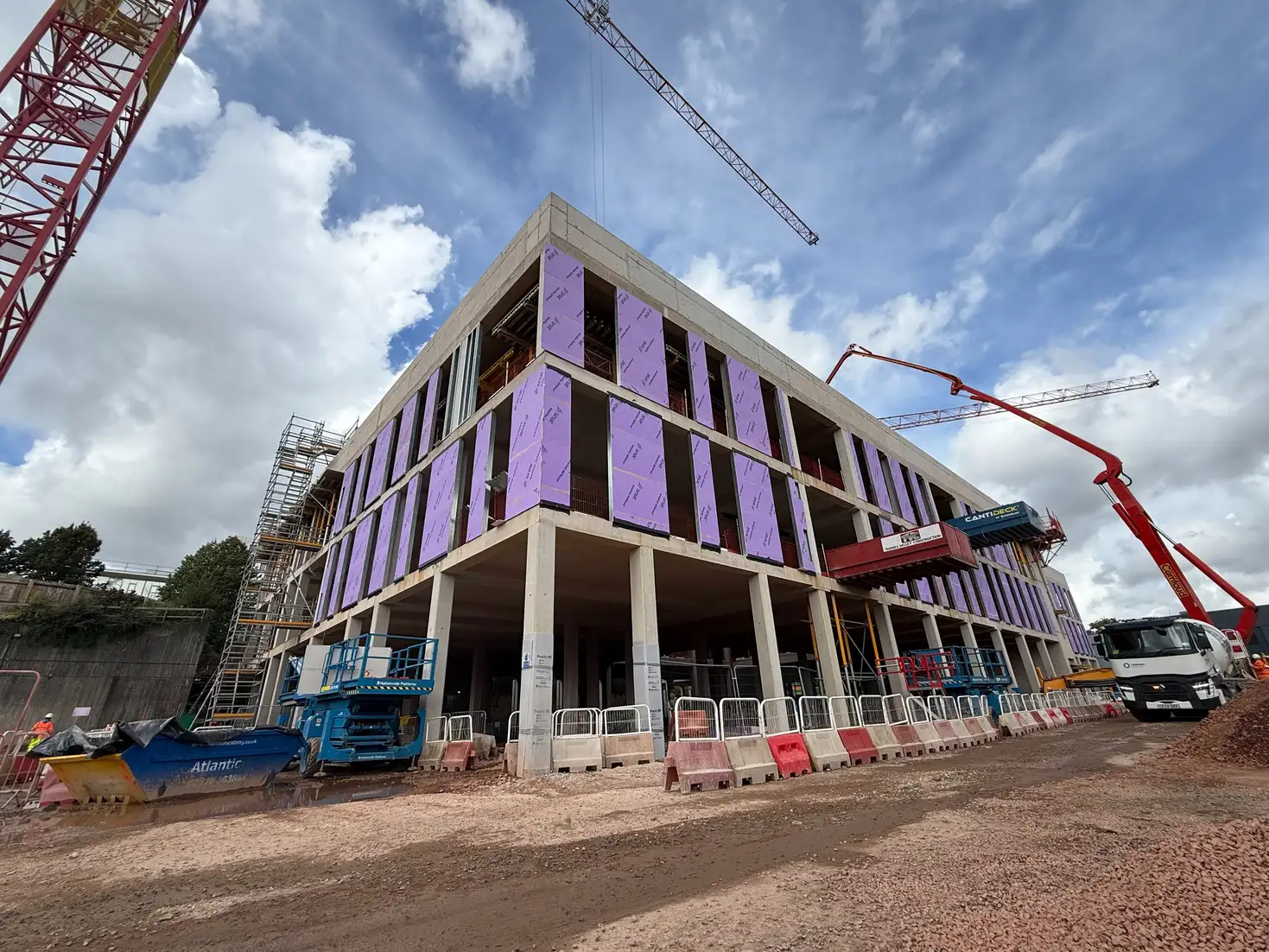
Our Computing, Engineering, Technology and Built Environment courses are based in Calon, USW’s inspiring new home for STEM, designed to bring learning, innovation and industry together.
Course Leader

Blessing Adeleke
Meet Dr Blessing Adeleke, a Chartered Civil Engineer and Senior Lecturer in Civil Engineering. With extensive industry and academic experience, Blessing is passionate about preparing the next generation of civil engineers through engaging, challenge-based learning and real-world engineering practice.
His teaching spans engineering surveying, geotechnical engineering, construction materials, sustainable construction, engineering site practice, and construction management, combining fieldwork, practical applications, and industry-led projects to bring engineering concepts to life.
His research focuses on sustainable construction materials, circular economy solutions, low-carbon infrastructure, and innovative engineering technologies.
Contact Blessing to learn more about the course, teaching approach, or careers in civil engineering.
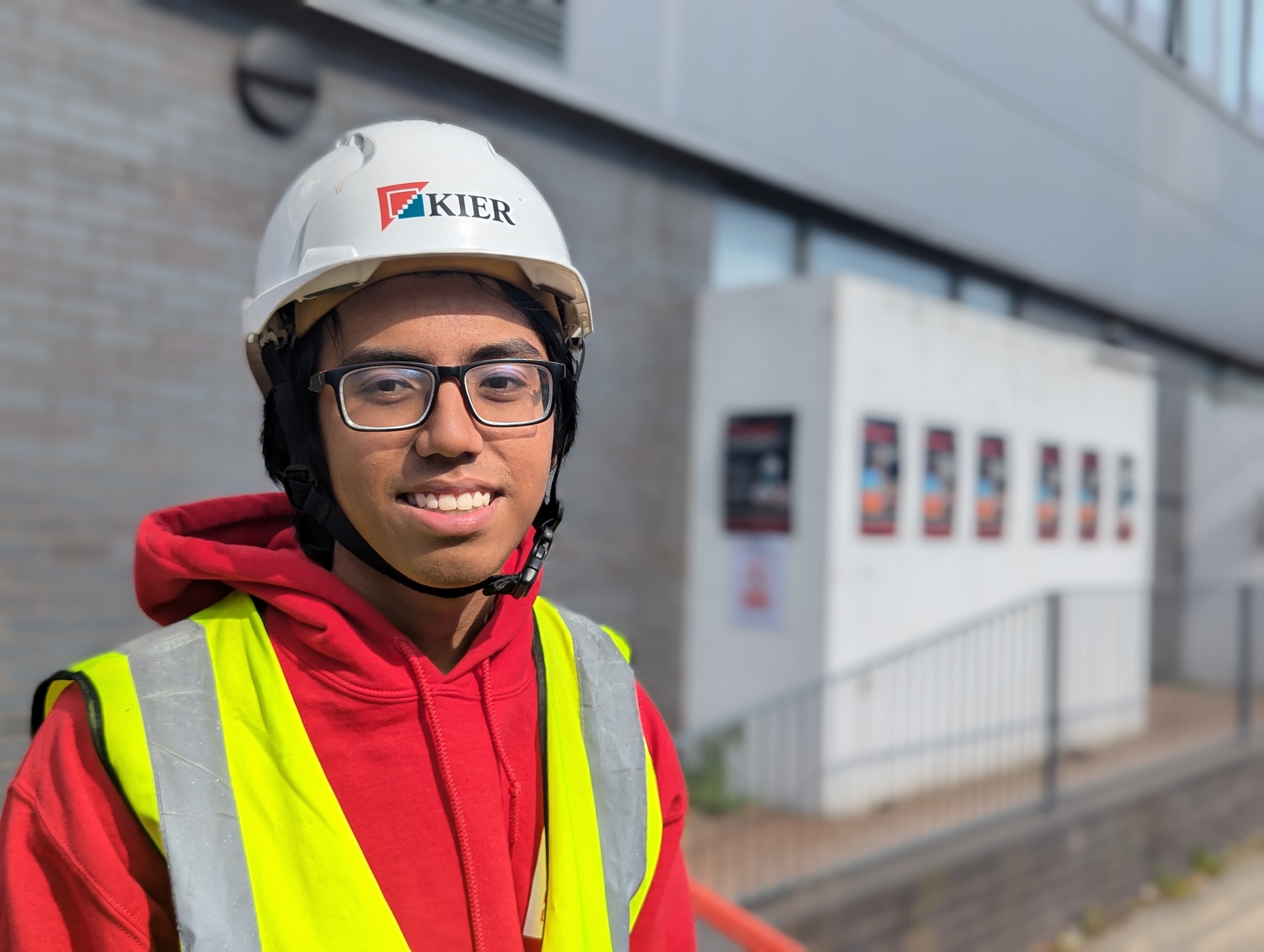
"I thoroughly enjoyed my work placement with kier supporting the delivery of the new USW chiropractic clinic. I was able to watch the building’s progress and gain a deeper understanding of how the construction process works."
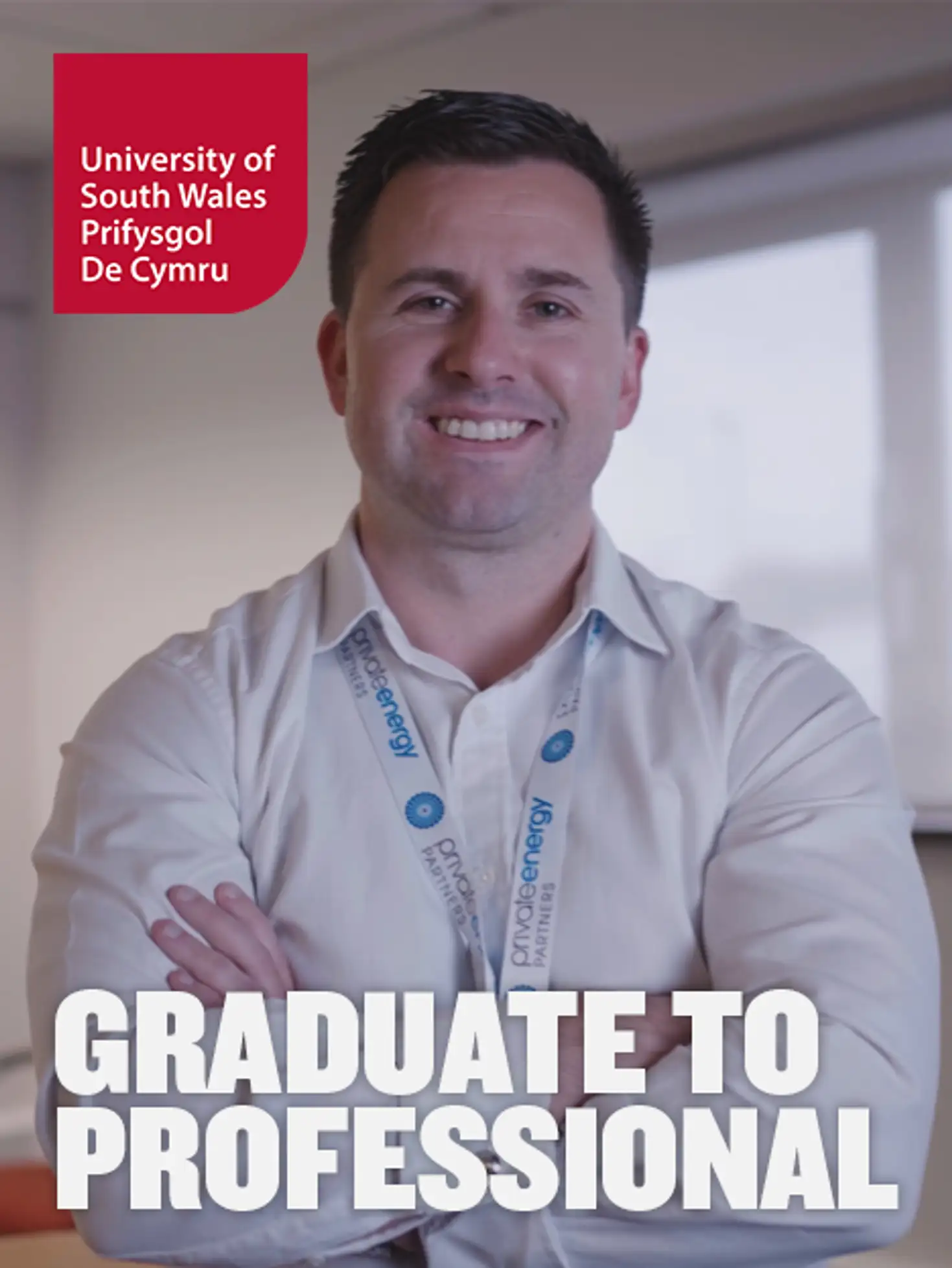
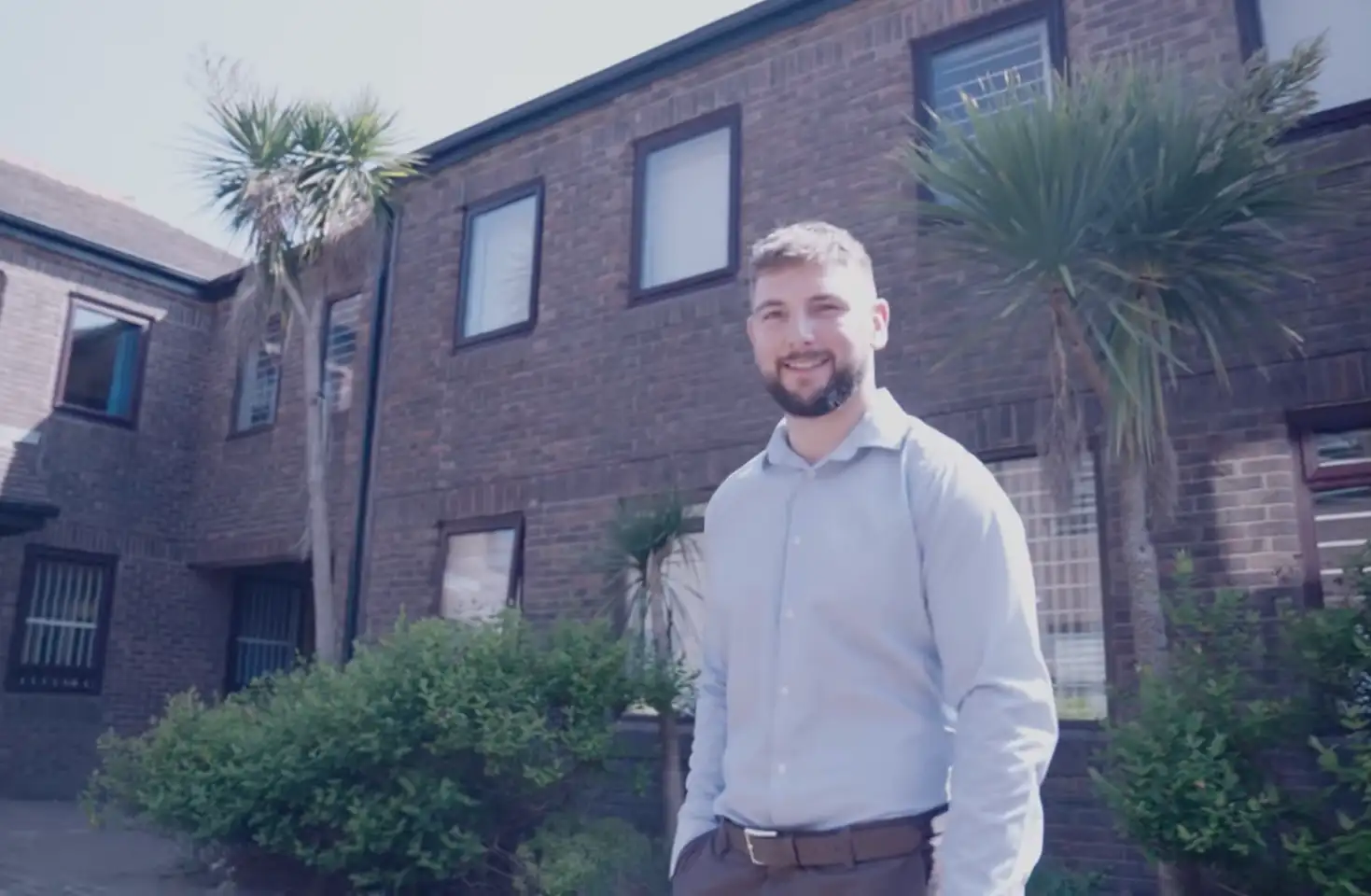
Jaren Cervantes, Civil Engineering graduate
Entry requirements
Additional requirements
The University normally requires a minimum 5 GCSEs including Mathematics/Numeracy and English at Grade C or Grade 4 or above, or their equivalent, but consideration is given to individual circumstances.
Contextual offers
We may make you a lower offer based on a range of factors, including your background (where you live and the school or college that you attended, for example), your experiences and individual circumstances (as a care leaver, for example). This is referred to as a contextual offer, and we receive data from UCAS to support us in making these decisions.
USW prides itself on its student experience and we support our students to achieve their goals and become a successful graduate. This approach helps us to support students who have the potential to succeed and who may have faced barriers that make it more difficult to access university.
How to applyContextual admissions policyAsk us a question112 UCAS points or above
Typical qualification requirements
A Level:
BBC to include Mathematics and a numerate subject such as Physics, Chemistry, Biology or Geography
Welsh BACC:
Pass the Advanced Welsh Baccalaureate Diploma with Grade C in the Skills Challenge Certificate and BB at A Level to include Mathematics and a numerate subject such as Physics, Chemistry, Biology, Geography
BTEC:
BTEC Extended Diploma Distinction Merit Merit in a relevant subject which must include Maths and Engineering or Science modules
Access to HE:
Pass an Access to HE Diploma in Maths/Science and obtain a minimum of 112 UCAS tariff points
T Level:
Pass (C and above)
International applications welcomed:
We welcome international applications with equivalent qualifications of our entry requirements. For more details related to your country of residence, please view our dedicated country pages.
International studentsPre-Sessional EnglishEnglish language requirements
International applicants will need to have achieved an overall of IELTS 6.0 with a minimum of 5.5 in each component/TOEFL 4 overall and a minimum of 4 in each component or equivalent.
Equivalents can be located on our English Language pages.
If you have previously studied through the medium of English, IELTS might not be required, please visit our country specific page for further details. If your country is not featured, please contact us.
If you do not meet the English entry criteria, please visit our Pre-Sessional course pages.
Fees and funding
Studying at university is one of the most significant investments you'll ever make. Whilst you’re studying, you’ll have two main financial obligations – tuition fees and living costs. There’s lots of financial help available from the University of South Wales and external funding sources, that may provide loans (which have to be paid back) and grants, scholarships and bursaries (that don't).
*Full-time fees are per year. Part-time fees are per 20 credits. Once enrolled, the fee is anticipated to remain at the same rate throughout the duration of your study on this course except as described below.
Please be aware that we may increase the maximum fee for home students on full-time undergraduate courses only where the Welsh Government increases the permitted level of inflation of fees. Fees for all students (including part-time, postgraduate and international students) may be amended in accordance with our applicable Fees and Debt Management Policy. We will ensure that students are given clear, intelligible, unambiguous and timely information about our courses and costs in good time, ahead of the next academic year.
As a student of USW, you’ll have access to lots of free resources to support your study and learning, such as textbooks, publications, online journals, laptops, and plenty of remote-access resources. Whilst in most cases these resources are more than sufficient in supporting you with completing your course, additional costs, both obligatory and optional, may be required or requested for the likes of travel, memberships, experience days, stationery, printing, or equipment.

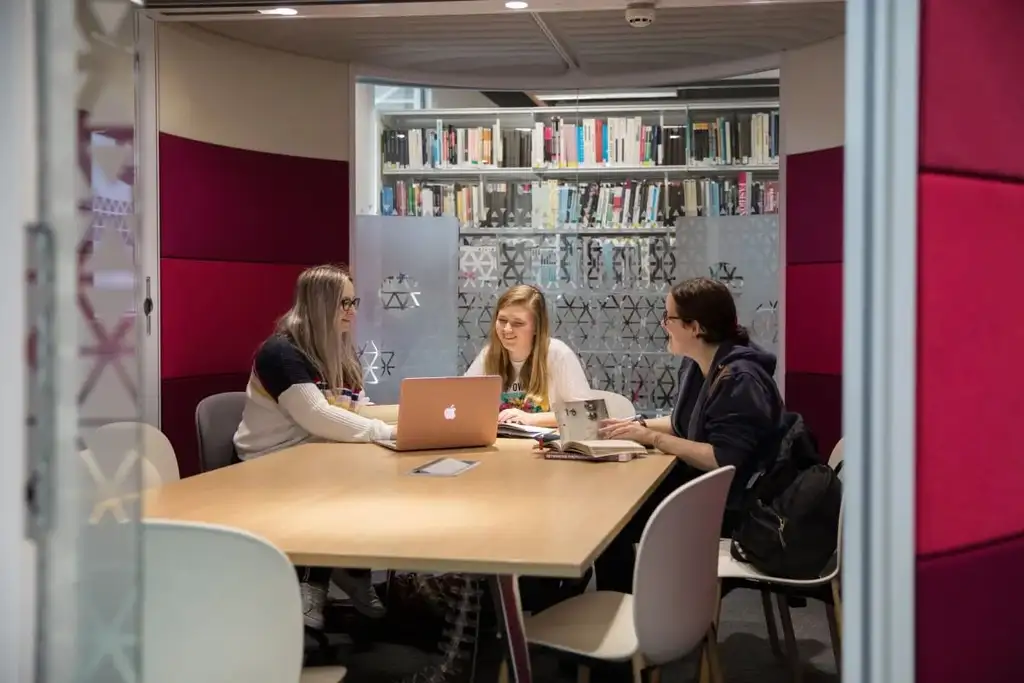
Explore our facilities
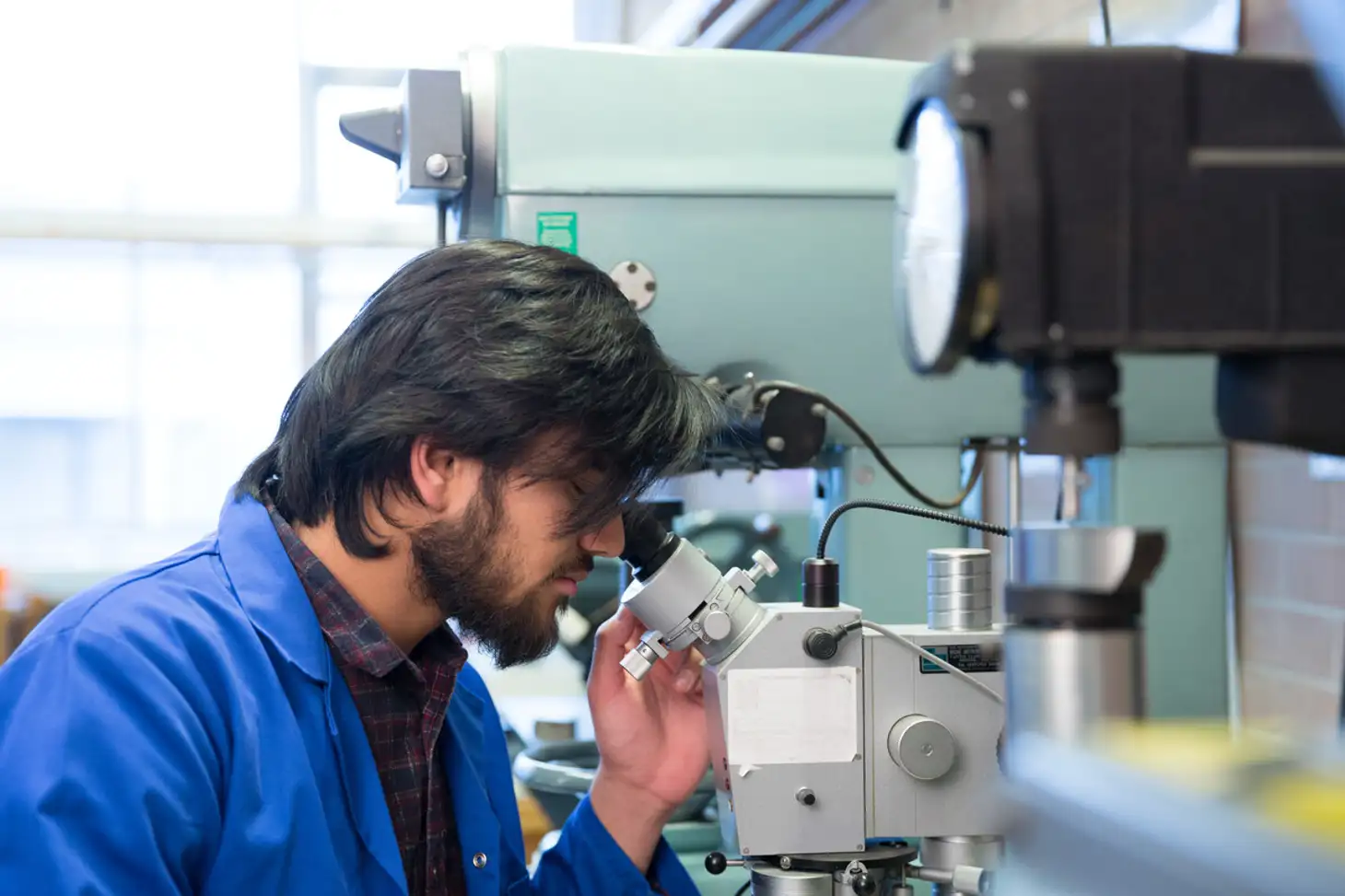
How to apply
All applications for full-time undergraduate courses or foundation degrees should be made via UCAS. Take the next step: Apply through UCAS
You can apply to us directly for all part-time undergraduate courses, if you’re seeking advanced entry or you’re an international student. To apply directly, please choose the application form below for your preferred start date and mode of study (full-time or part-time).
-
Apply direct
Civil Engineering (Top Up)
-
Full-time, 1 years
-
September
-
Pontypridd
-
-
Apply direct
Civil Engineering (Top Up)
-
Full-time, 1 years
-
September
-
Pontypridd
-
If you already have a relevant qualification or experience related to the course you're applying for, you may be eligible to start at a later stage of the course. For example, students from partner colleges can ‘top up’ their qualifications to a degree by joining us in Year Two or Year Three of a course. This process is known as ‘advanced entry’, you can apply directly to the University for 'advanced entry' using the application forms provided above.
Applicants accepted through advanced entry may study a different combination of modules to those advertised, as they will be joining a course already in progress. You will be contacted and advised about these modules once your application has been processed and an offer made.
International applicants can apply to us directly. If the University has an in-country team in your region, your application will be assigned to them for assistance.


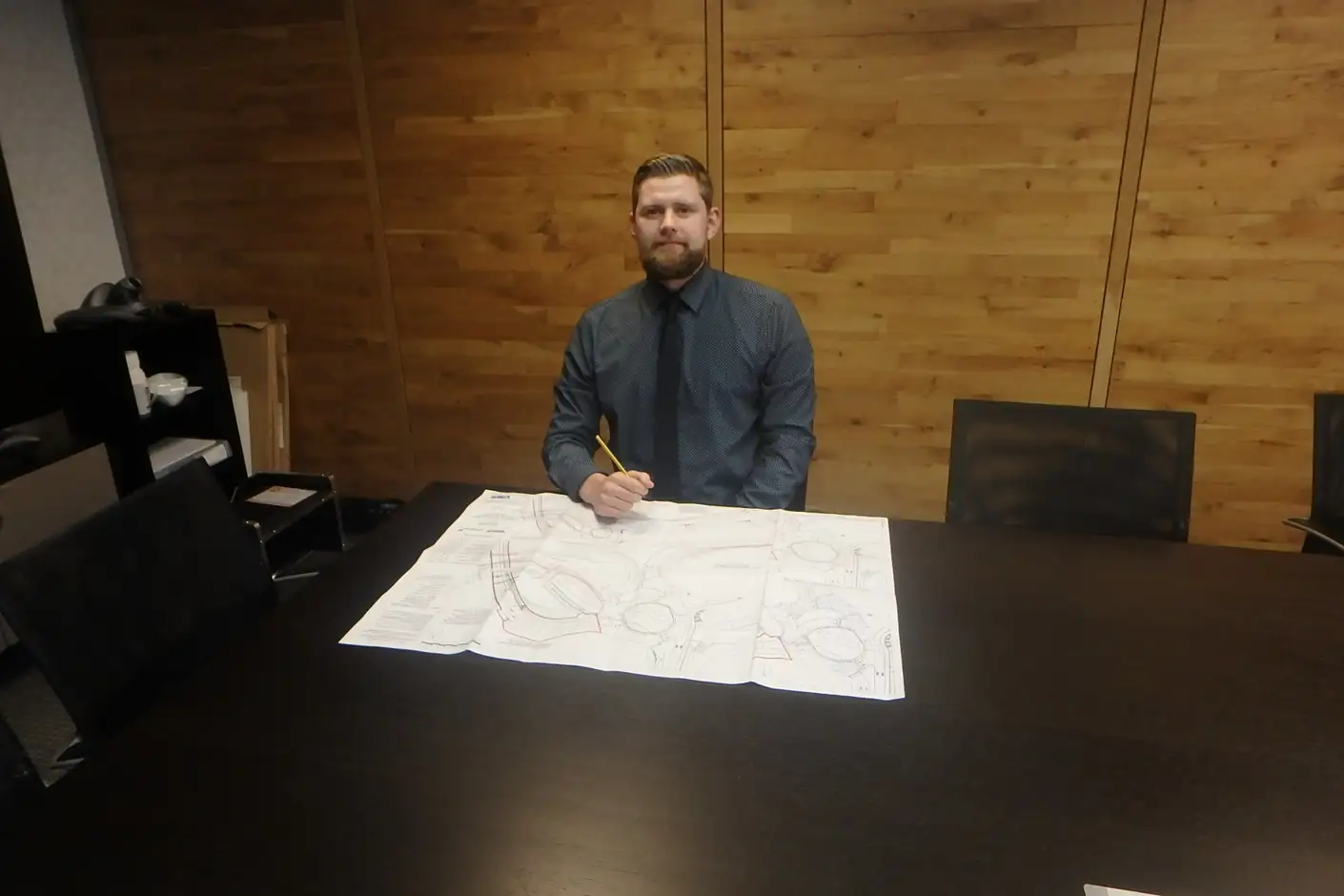
Related stories and highlights